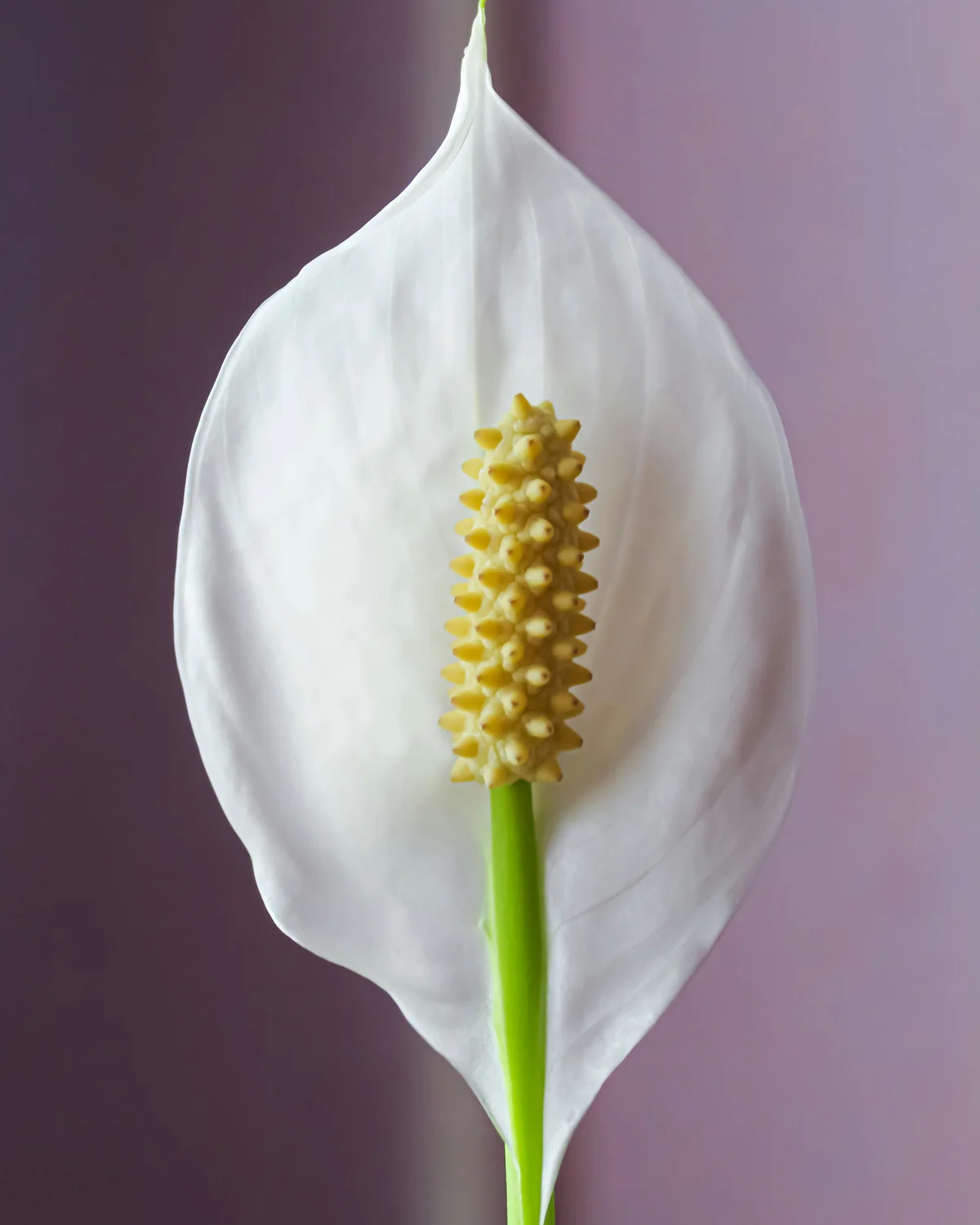
Peace Lily
Spathiphyllum wallisii · Araceae
How it looks
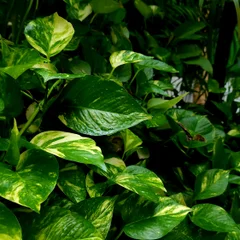
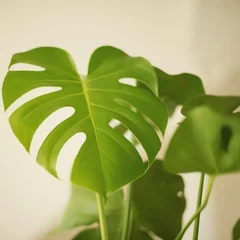
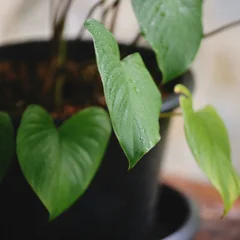
Peace lily is a houseplant with glossy, deep-green, long oval leaves that grow in clumps from the base. The white "flower" is actually a modified leaf (a spathe), with the true flower spike — a white rod shape — at its center. It grows 12–24 in (30–60 cm) tall; it's called a lily, but it isn't a true one.
Caution — not a true lily, but irritating crystals
Despite the name, peace lily isn't related to true lilies. Its calcium oxalate crystals irritate the mouth and esophagus, causing drooling, vomiting, and difficulty swallowing.
Guide for parents
Unlike true lilies (Lilium), peace lily doesn't cause kidney failure. The mouth irritation is intense, though, and can be quite painful for a cat. It's a popular air-purifying plant often kept in living rooms, and its drooping leaves are easy for cats to reach. Move it up onto a shelf or use a plant guard to block access. If drooling continues after your cat has chewed it, rinse their mouth with water.
If ingested
Contact your nearest vet immediately
- Onset
- Within minutes of chewing
- Symptoms
- Oral irritation, vomiting, difficulty swallowing
- Action
- Rinse the mouth and offer a small amount of milk or water. Seek care immediately if breathing is affected.
Details
- Scientific name
- Spathiphyllum wallisii
- Common name
- Peace Lily
- Family
- Araceae
- Toxic parts
- All parts
- Compounds
- Insoluble calcium oxalate crystals
- Onset
- Within minutes of chewing
- Symptoms
- Oral irritation, vomiting, difficulty swallowing
- Action
- Rinse the mouth and offer a small amount of milk or water. Seek care immediately if breathing is affected.
- Source
- ASPCA