Aloe Vera
Aloe barbadensis · Asphodelaceae
How it looks
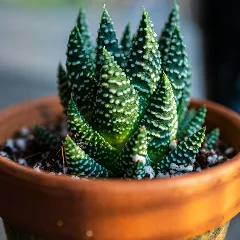
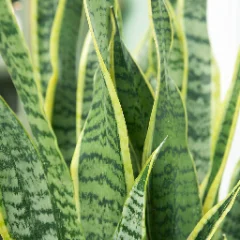
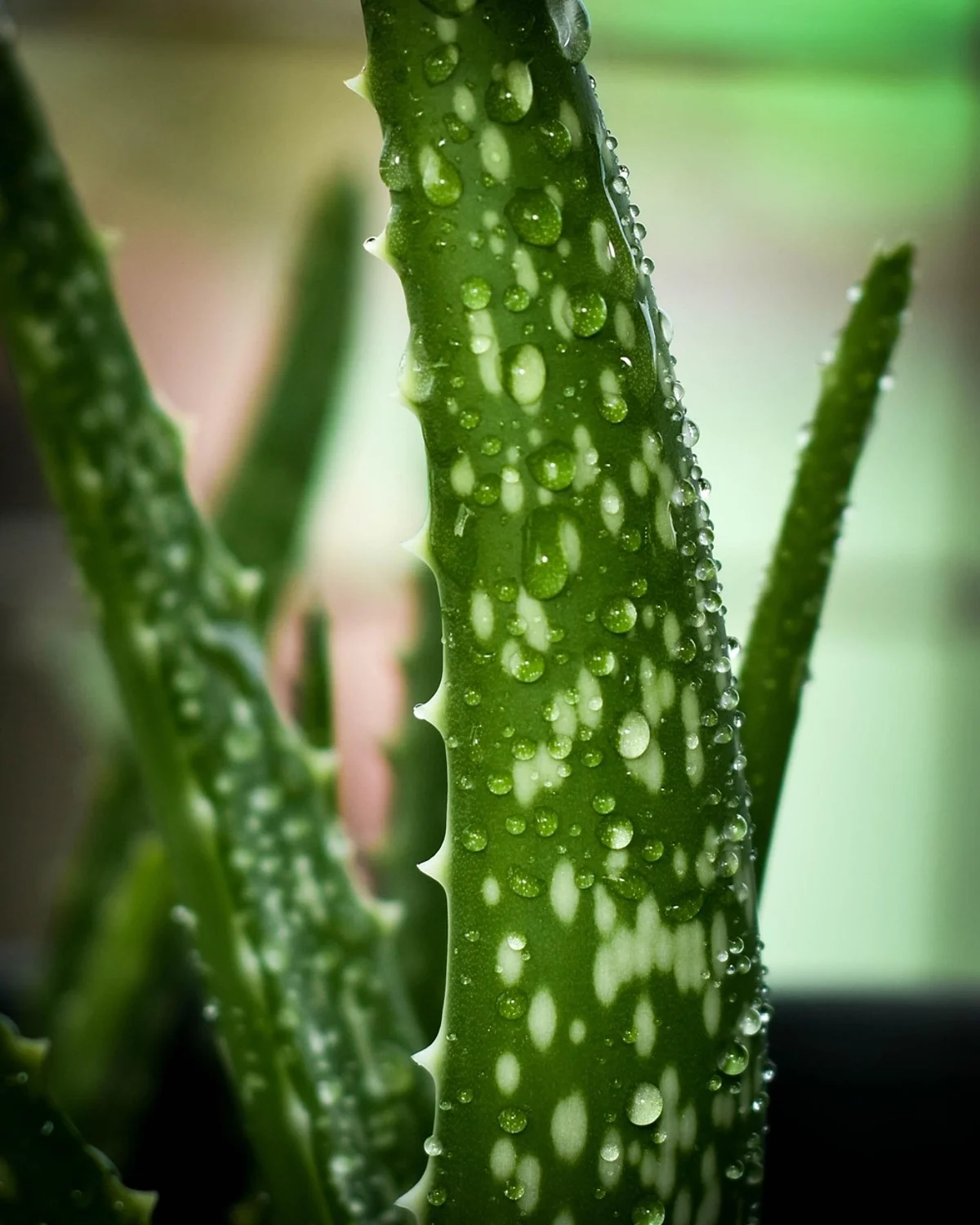
Aloe vera is a succulent with thick, fleshy, sword-shaped leaves growing in a rosette from the base. The leaves are gray-green with white flecks and small teeth along the edges. Cutting a leaf releases a clear, sticky gel. It grows 12–24 in (30–60 cm) tall.
Caution — latex in the leaf skin causes diarrhea
The clear inner gel is relatively safe, but the yellow latex (aloin) in the leaf's outer layer causes severe diarrhea. Eating a large amount carries a risk of dehydration.
Guide for parents
Aloe is a succulent with thick, water-filled leaves, which makes it an easy target for a curious chewer. The gel people use on burns has had the latex removed during processing, but the raw leaf still contains it. If you keep aloe, the safest spot is a separate room your cat can't access. If diarrhea lasts more than a day, see a vet — dehydration becomes a real risk.
If ingested
Contact your nearest vet immediately
- Onset
- 6–12 hours after ingestion
- Symptoms
- Vomiting, diarrhea, lethargy, change in urine color
- Action
- Offer plenty of water. See a vet if diarrhea lasts more than 24 hours.
Details
- Scientific name
- Aloe barbadensis
- Common name
- Aloe Vera
- Family
- Asphodelaceae
- Toxic parts
- Leaves (latex layer)
- Compounds
- Saponins, Anthraquinones
- Onset
- 6–12 hours after ingestion
- Symptoms
- Vomiting, diarrhea, lethargy, change in urine color
- Action
- Offer plenty of water. See a vet if diarrhea lasts more than 24 hours.
- Source
- ASPCA