Day Lilies (many varieties)
Hemerocallis spp. · Asphodelaceae
How it looks
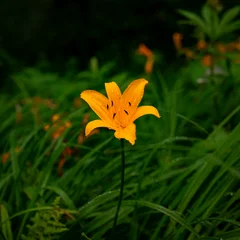
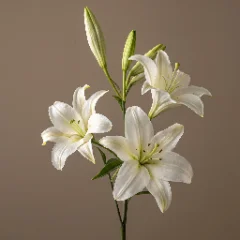
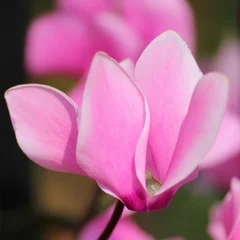
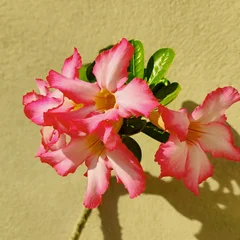
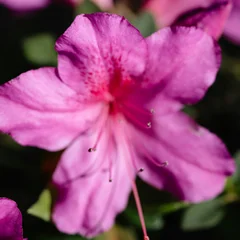
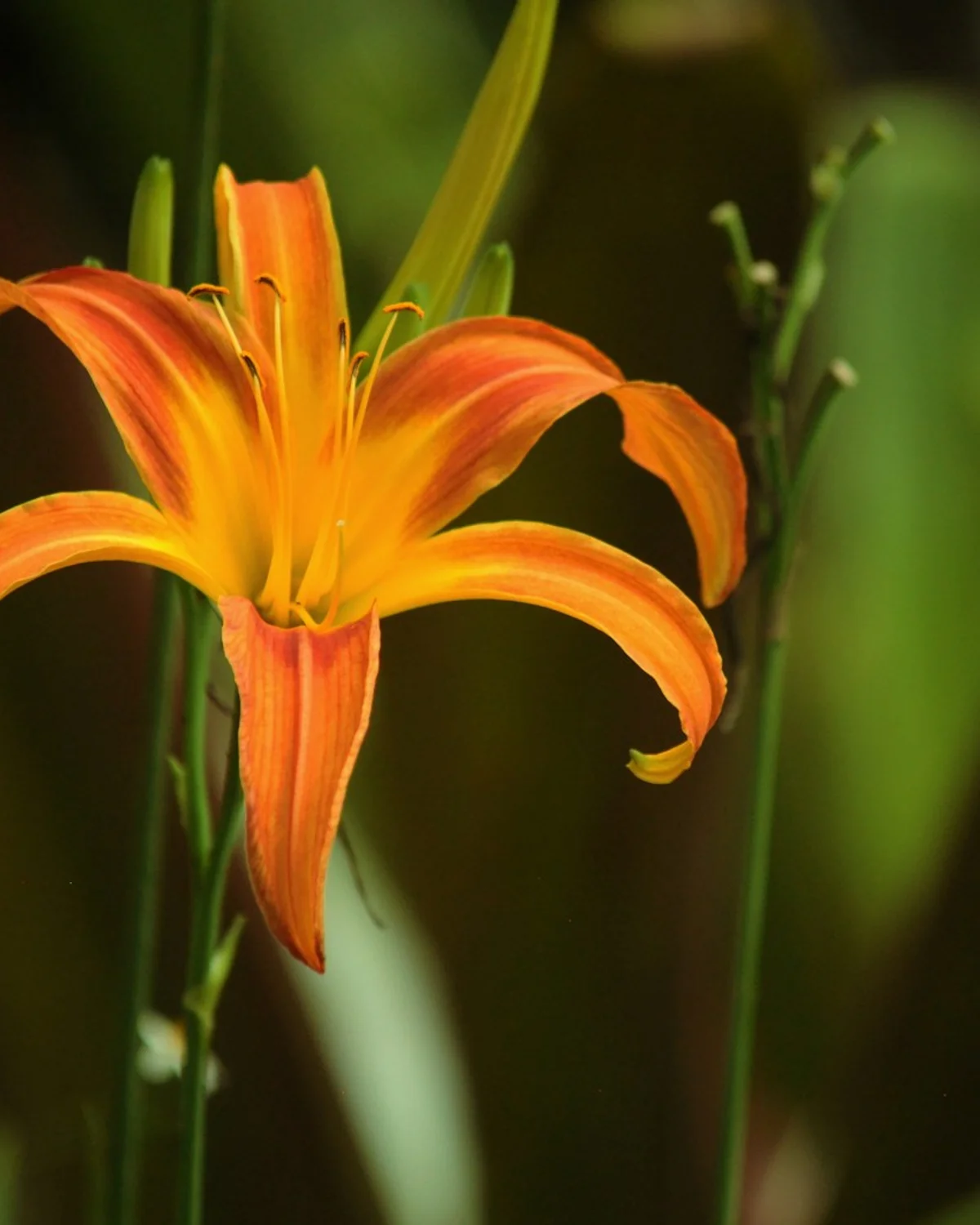
Day Lily is a perennial with narrow, long sword-shaped leaves that grow in clumps from the base. At the tip of the flower stalk, six-petaled trumpet-shaped flowers bloom, commonly in yellow, orange, and red. Each flower lasts only a single day and wilts, but new flowers open every day.
Deadly — kidney failure
Day Lilies (many varieties) (Day Lily) belongs to a different genus from true lilies, but it causes the same kidney failure in cats. Petals, leaves, pollen, and even vase water are all deadly.
Guide for parents
Day Lilies (many varieties) is a perennial common in gardens and fields, called a daylily because each bloom lasts only a single day. It belongs to a different genus than true lilies (Lilium), but it is every bit as dangerous to cats. If it grows in your garden, keep it completely separated from your cat's territory. If you suspect ingestion, go to a 24-hour animal hospital immediately even if there are no symptoms. Once kidney damage begins, it's too late.
If ingested
Contact your nearest vet immediately
- Onset
- 6–24 hours after ingestion (symptoms may be delayed)
- Symptoms
- Vomiting, inappetence, kidney failure, death
- Action
- Go to a 24-hour animal hospital immediately. Don't wait, even if there are no symptoms.
Details
- Scientific name
- Hemerocallis spp.
- Common name
- Day Lilies (many varieties)
- Family
- Asphodelaceae
- Toxic parts
- All parts (including pollen)
- Compounds
- Unknown
- Source
- ASPCA