Azalea
Rhododendron spp · Ericaceae
How it looks
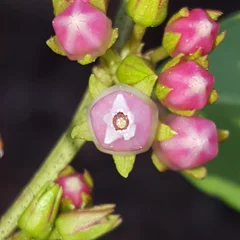
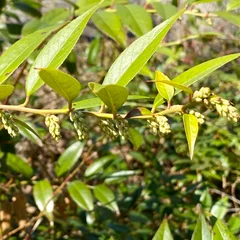
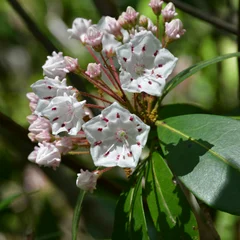
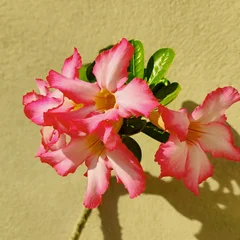
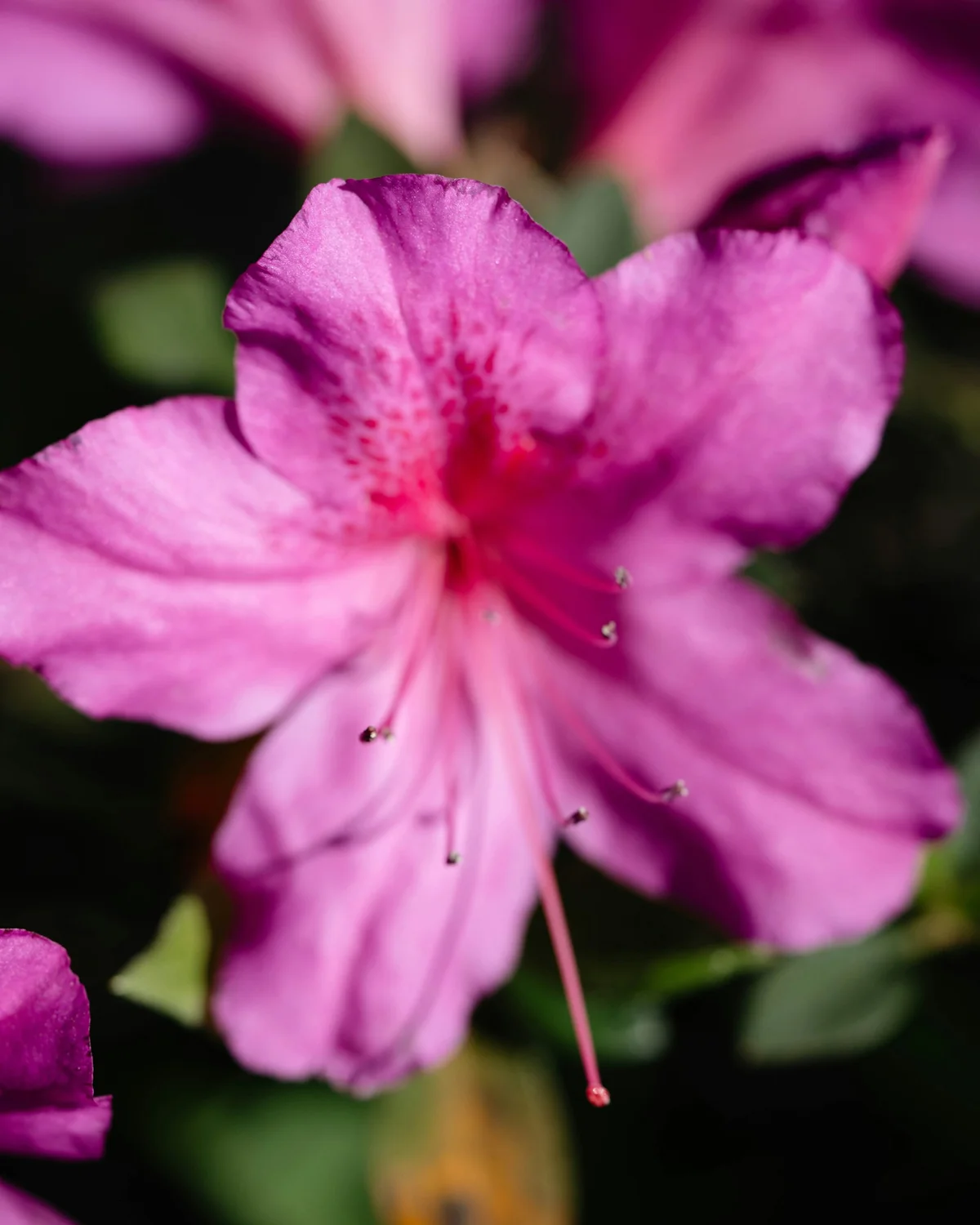
Azalea (Rhododendron spp.) is a shrub that blooms in spring with funnel-shaped flowers clustered at the branch tips. Colors range widely across pink, magenta, white, and orange, and the inner petals often bear a deep blotch. The leaves are oval with distinct veins, and the branches divide densely.
Dangerous — heart toxicity
All parts of Azalea contain grayanotoxins; even a small amount can trigger vomiting, drooling, and low blood pressure, which may progress to heart arrhythmias and coma.
Guide for parents
Azaleas often come home in spring as potted or decorative plants. Leaves, flowers, and even the nectar are all dangerous, so don't bring one into the space you share with your cat. If you suspect ingestion, go to a 24-hour animal hospital immediately even if symptoms look mild. Effects on the heart can appear late, so this is a race against time. If you grow them on a porch or in the yard, keep them completely separated from your cat's paths, and make a habit of clearing fallen blossoms before the day ends.
If ingested
Contact your nearest vet immediately
- Onset
- 2–6 hours after ingestion
- Symptoms
- Vomiting, diarrhea, drooling, coma, heart failure
- Action
- Go to an animal hospital immediately. Don't wait, even if symptoms seem mild.
Details
- Scientific name
- Rhododendron spp
- Common name
- Azalea
- Family
- Ericaceae
- Toxic parts
- All parts
- Compounds
- Grayanotoxins
- Source
- ASPCA