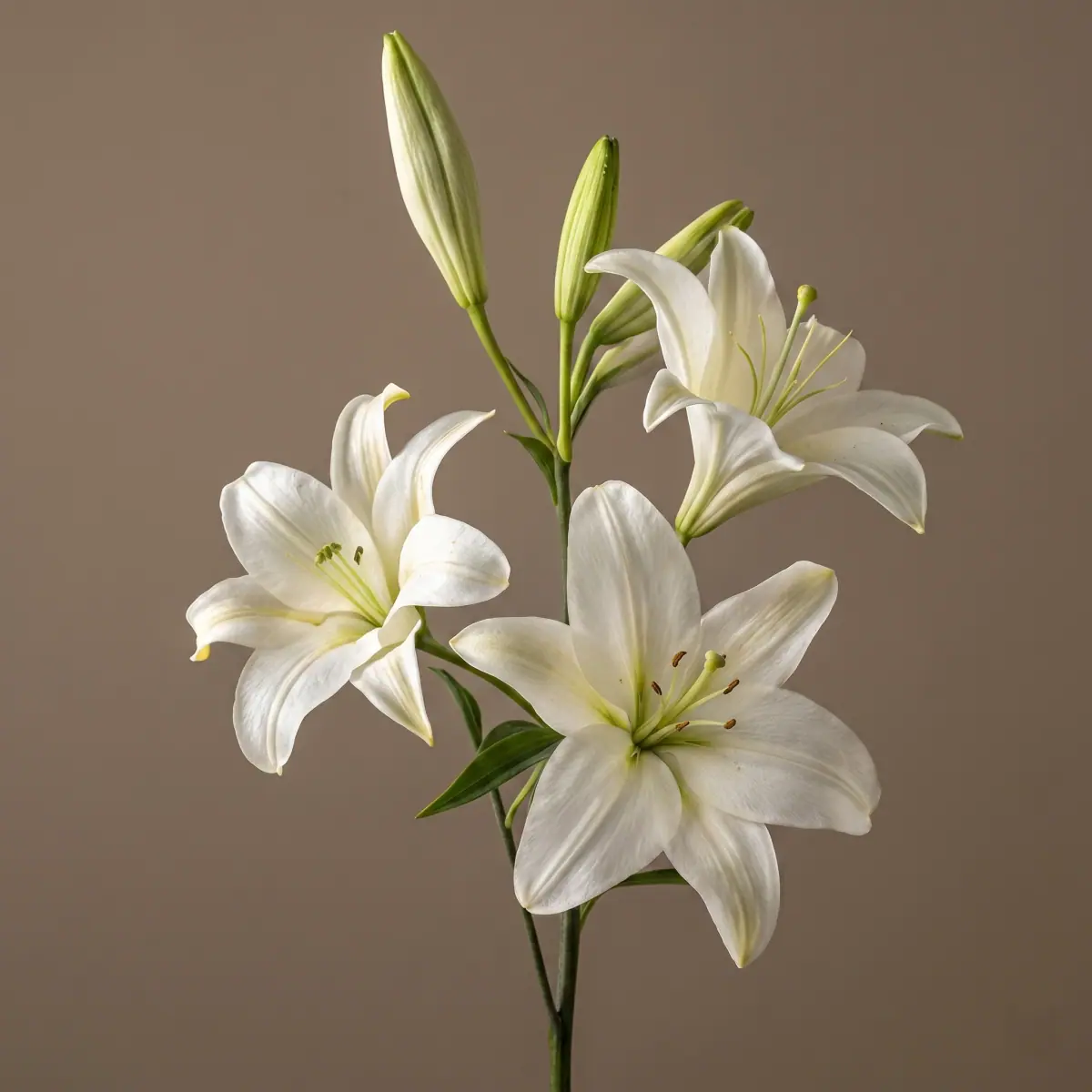
Black Laurel
Leucothoe spp. · Ericaceae
How it looks
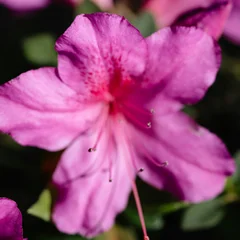
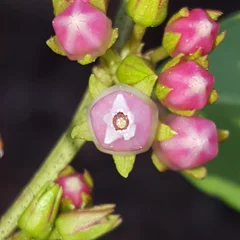
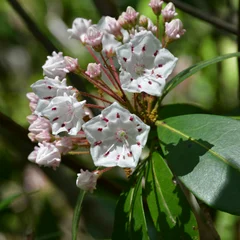
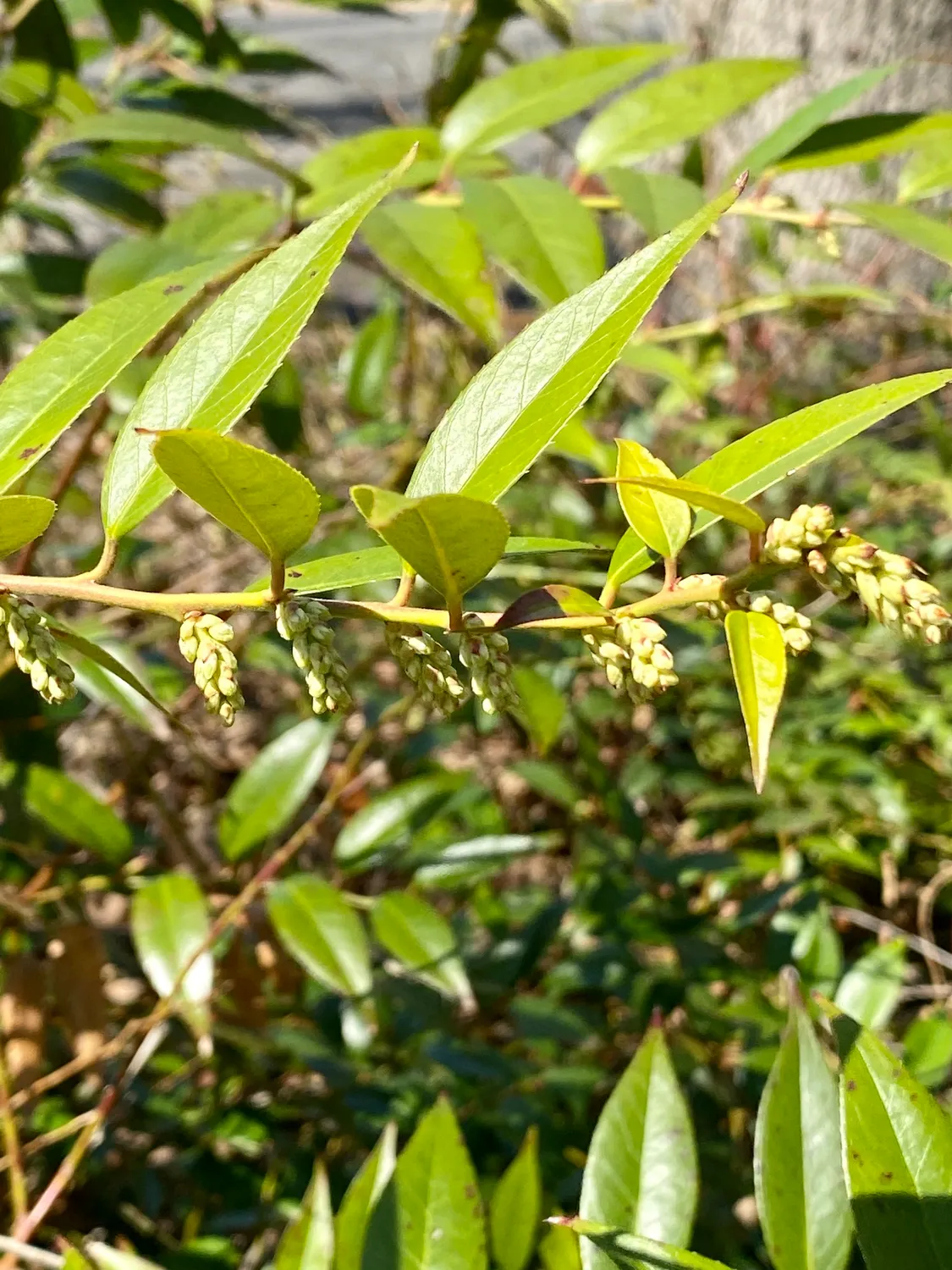
Black Laurel (Leucothoe spp.) is an evergreen shrub in the heath family with narrow, long, glossy leaves set alternately. In spring, small white bell-shaped flowers hang in rows along the lower part of the branches. Height 3-6.5 ft (1-2 m); it grows in gardens and mountain areas.
Dangerous — heart toxicity
All parts of Black Laurel (Black Laurel) contain grayanotoxins; even a small amount can trigger vomiting, drooling, and low blood pressure, which may progress to heart arrhythmias and coma.
Guide for parents
Black Laurel (Black Laurel) is in the rhododendron family, and everything from its leaves and flowers to its nectar is dangerous. Don't bring it into a space you share with your cat. If you suspect ingestion, head to a 24-hour animal hospital right away even if the symptoms look mild. Cardiac effects can show up late, so it's a race against time. If you grow it on a balcony or in the garden, keep it completely separate from your cat's paths, and make a habit of clearing fallen flowers within the same day.
If ingested
Contact your nearest vet immediately
- Onset
- 2–6 hours after ingestion
- Symptoms
- Vomiting, diarrhea, heart rhythm abnormalities
- Action
- Go to an animal hospital immediately. Don't wait, even if symptoms seem mild.
Details
- Scientific name
- Leucothoe spp.
- Common name
- Black Laurel
- Family
- Ericaceae
- Toxic parts
- All parts
- Compounds
- Grayanotoxins
- Source
- ASPCA