Cyclamen
Cyclamen spp · Primulaceae
How it looks
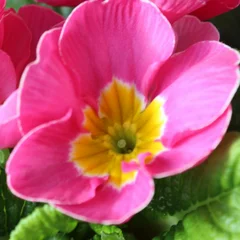
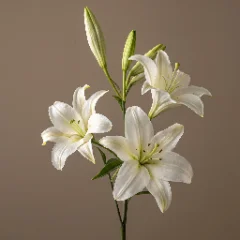
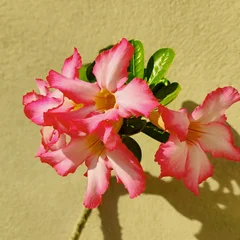
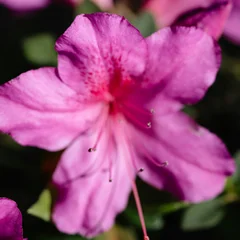
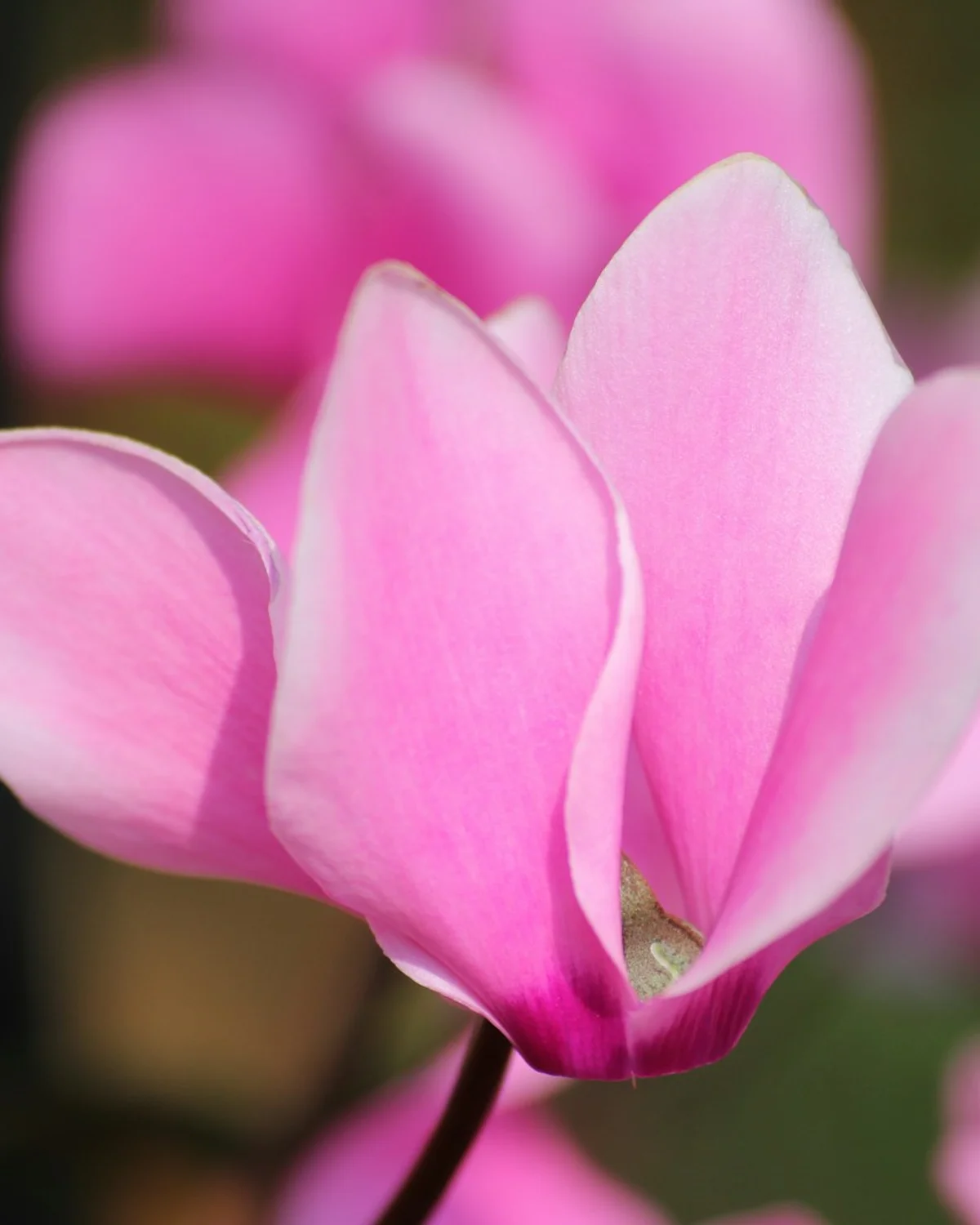
Cyclamen has heart-shaped leaves with silvery markings and produces a distinctive flower whose petals appear to flip upward above the flower stalk. Colors are white, pink, magenta, and red, with a light fragrance. Height 6-12 in (15-30 cm); commonly seen indoors in pot form during winter.
Dangerous — the bulbs are the most toxic part
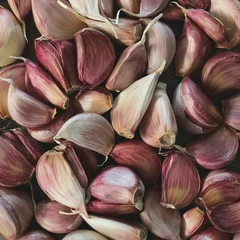
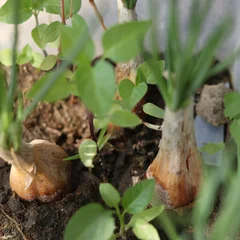
The leaves and flowers of Cyclamen are risky, but the underground tuber concentrates cyclamine; chewing it can cause severe vomiting, heart arrhythmias, and even seizures.
Guide for parents
Cyclamen is a common potted gift in winter. The safest choice is not to keep it in the space you share with your cat. Be especially careful during repotting or rearranging, when bulbs exposed in the soil could be chewed and swallowed. If vomiting begins or you notice trembling or unusual behavior, go to a 24-hour animal hospital immediately. The longer it goes on, the greater the effects on the heart and nervous system.
If ingested
Contact your nearest vet immediately
- Onset
- 2–6 hours after ingestion
- Symptoms
- Vomiting, diarrhea, heart rhythm abnormalities, seizures
- Action
- Go to an animal hospital immediately. Don't wait, even if symptoms seem mild.
Details
- Scientific name
- Cyclamen spp
- Common name
- Cyclamen
- Family
- Primulaceae
- Toxic parts
- Tubers/bulbs (most toxic part), Leaves, Flowers
- Compounds
- Cyclamin, Terpenoid saponins
- Source
- ASPCA