Onion
Allium cepa · Amaryllidaceae
How it looks
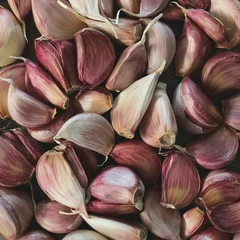
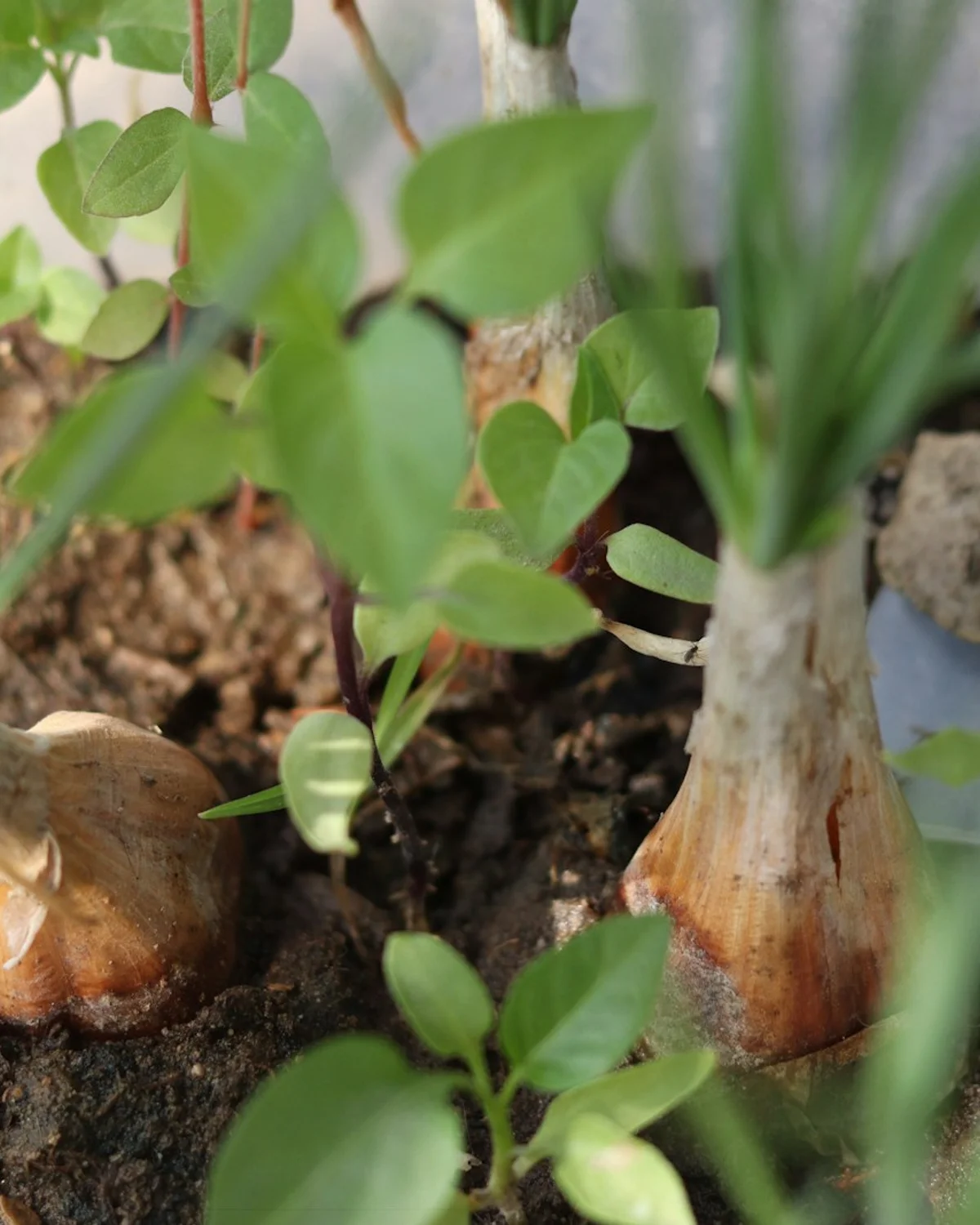
Onion is a round bulb of overlapping scales covered by a papery brown, purple, or white skin. The leaves are hollow cylinders that grow upright to about 12-20 in (30-50 cm) and give off a pungent onion smell when cut. The flowers are small white blooms clustered into a ball at the tip of the stalk.
Dangerous — red blood cell destruction
The N-propyl disulfide in Onion destroys a cat's red blood cells and causes anemia. Cooking or powdering it does not reduce the toxicity.
Guide for parents
A common kitchen ingredient, but a potent toxin for cats. It hides in soup broth, Onion powder, and fried-food batter, making shared human food the most dangerous route of exposure. It's not just raw Onion — cooked Onion and Onion powder are every bit as dangerous. If you suspect ingestion, head to the vet immediately. Signs of anemia (pale gums, loss of appetite) can take days to appear.
If ingested
Contact your nearest vet immediately
- Onset
- 2–6 hours after ingestion
- Symptoms
- Vomiting, breakdown of red blood cells, anemia
- Action
- Go to an animal hospital immediately. Don't wait, even if symptoms seem mild.
Details
- Scientific name
- Allium cepa
- Common name
- Onion
- Family
- Amaryllidaceae
- Toxic parts
- All parts
- Compounds
- N-propyl disulfide, Thiosulfates
- Source
- ASPCA