Daffodil
Narcissus spp · Amaryllidaceae
How it looks
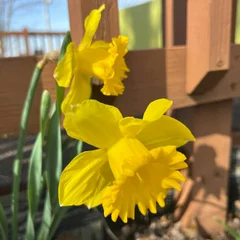
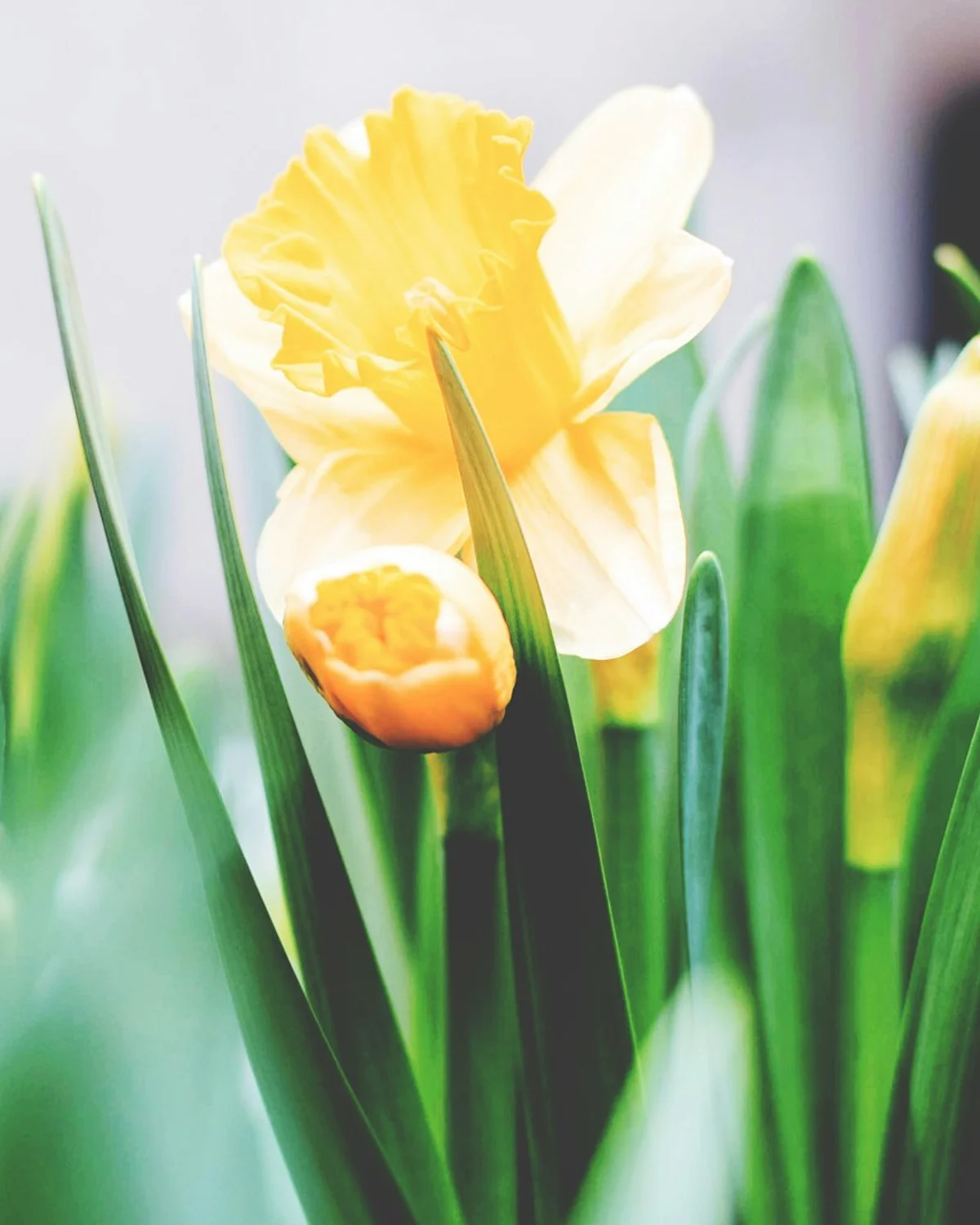
Daffodil bears flowers made up of a central cup-shaped corona and six star-shaped petals. White and yellow are common, and the scent is strong. The leaves are narrow, long, and sword-shaped in gray-green, rising from a bulb in spring, and it grows 8–16 in (20–40 cm) tall.
Caution — the bulbs are the most toxic part
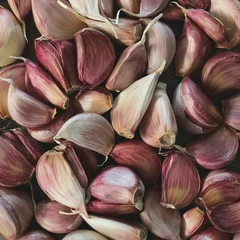
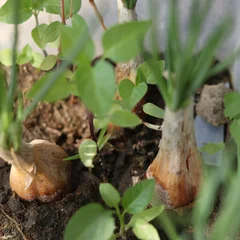
Lycorine alkaloids are concentrated in the bulb rather than the flowers or leaves. Chewing the bulb can cause intense vomiting, diarrhea, and drooling, and large amounts can even lead to convulsions.
Guide for parents
Daffodil commonly comes in as a spring cut flower or potted plant. The bulb in the pot is far more dangerous than the bouquet itself. Keep indoor bulb pots completely separate from your cat's paths, and clear away wilted flowers and fallen leaves the same day. If you suspect your cat ate a bulb, head to the vet right away. For a small amount of flower or leaf, monitoring is often enough.
If ingested
Contact your nearest vet immediately
- Onset
- 1–4 hours after ingestion
- Symptoms
- Vomiting, salivation, diarrhea; large ingestions cause convulsions
- Action
- Consult a vet and monitor. Go in immediately if symptoms worsen.
Details
- Scientific name
- Narcissus spp
- Common name
- Daffodil
- Family
- Amaryllidaceae
- Toxic parts
- All parts (especially the bulbs)
- Compounds
- Lycorine, Narcissine alkaloids
- Onset
- 1–4 hours after ingestion
- Symptoms
- Vomiting, salivation, diarrhea; large ingestions cause convulsions
- Action
- Consult a vet and monitor. Go in immediately if symptoms worsen.
- Source
- ASPCA