American Bittersweet
Celastrus scandens · Celastraceae
How it looks
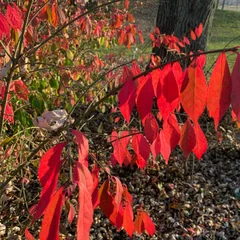
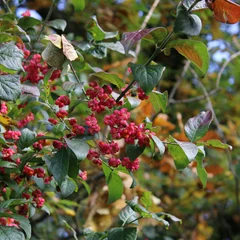
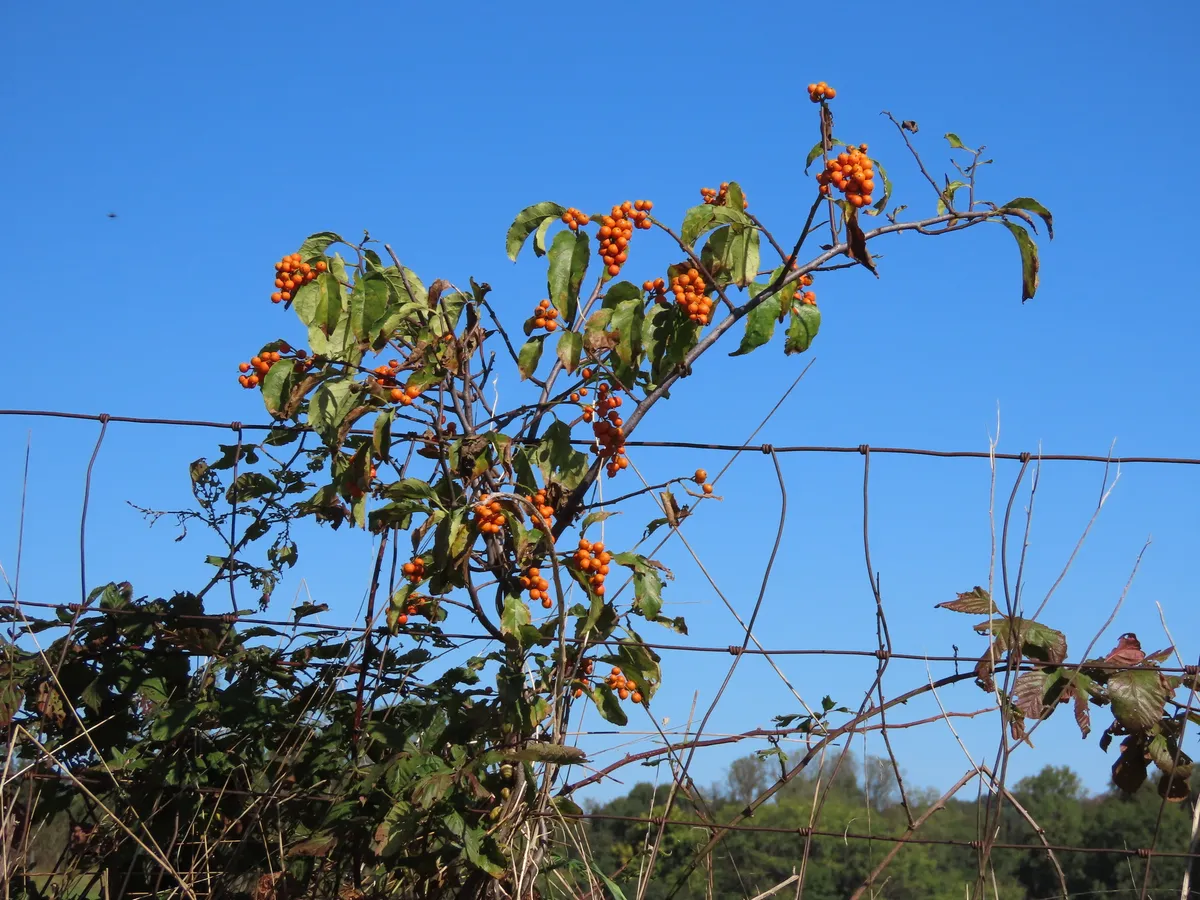
American Bittersweet is a deciduous vine with alternate, serrated oval leaves. In fall and winter, yellow capsule-shaped fruits split open to reveal bright red-orange seeds inside. It is commonly used in Christmas decorations.
Caution — monitor for GI symptoms
All parts of American Bittersweet contain irritating compounds that can cause vomiting and diarrhea if chewed, and in rare cases this can progress to seizures. Contact your vet if symptoms persist.
Guide for parents
An occasional nibble on American Bittersweet rarely leads to serious trouble, but the celastrine and evonine it contains irritate the stomach and mucous membranes, causing mild digestive upset. Make a habit of picking up fallen leaves and broken stems the same day, and keep the pot out of your cat's reach. If symptoms last more than 12 hours or your cat's appetite drops noticeably, consult your vet.
If ingested
Contact your nearest vet immediately
- Onset
- 1–4 hours after ingestion
- Symptoms
- Vomiting, diarrhea, seizures
- Action
- Consult a vet and monitor. Go in immediately if symptoms worsen.
Details
- Scientific name
- Celastrus scandens
- Common name
- American Bittersweet
- Family
- Celastraceae
- Toxic parts
- All parts
- Compounds
- Celastrine, Evonine
- Onset
- 1–4 hours after ingestion
- Symptoms
- Vomiting, diarrhea, seizures
- Action
- Consult a vet and monitor. Go in immediately if symptoms worsen.
- Source
- ASPCA