Carnation
Dianthus caryophyllus · Caryophyllaceae
How it looks
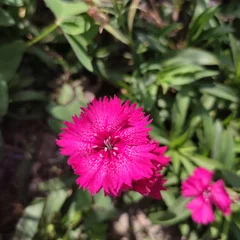
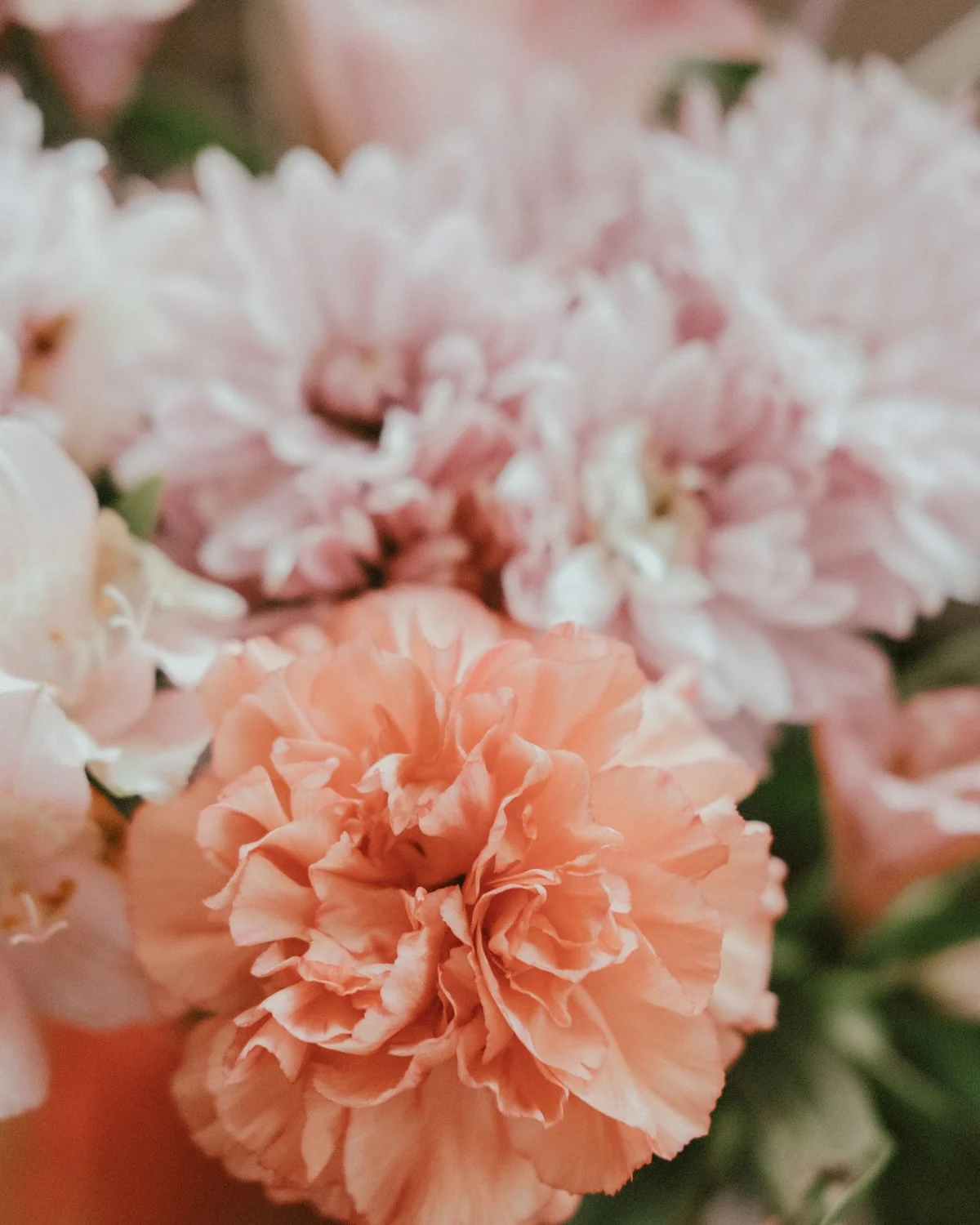
Carnation bears flowers of densely layered petals with fringed, serrated edges. Pink, red, white, and yellow are common, and the scent is light. The leaves are narrow and gray-green, and it grows upright at 12–31 in (30–80 cm) tall.
Mild caution — stomach irritation and dermatitis
Carnation usually causes nothing more than mild stomach upset and slight skin irritation from mouth or skin contact. No life-threatening toxicity is known.
Guide for parents
Carnation is a classic cut flower for Mother's Day, graduations, and other celebrations. Chewing a petal or two rarely leads to serious trouble, but if you notice drooling or a rash around the mouth, rinse your cat's mouth with water. The vase water contains floral preservatives and is actually the bigger risk — place the vase where your cat can't drink from it.
If ingested
Contact your nearest vet immediately
- Onset
- Right away to within 2 hours of ingestion
- Symptoms
- Mild gastrointestinal signs, mild dermatitis
- Action
- Rinse the mouth with water and monitor. Consult a vet if symptoms last more than 12 hours.
Details
- Scientific name
- Dianthus caryophyllus
- Common name
- Carnation
- Family
- Caryophyllaceae
- Toxic parts
- All parts
- Compounds
- Triterpenoid saponins (presumed)
- Onset
- Right away to within 2 hours of ingestion
- Symptoms
- Mild gastrointestinal signs, mild dermatitis
- Action
- Rinse the mouth with water and monitor. Consult a vet if symptoms last more than 12 hours.
- Source
- ASPCA