Hydrangea
Hydrangea arborescens · Hydrangeaceae
How it looks
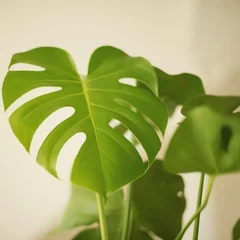
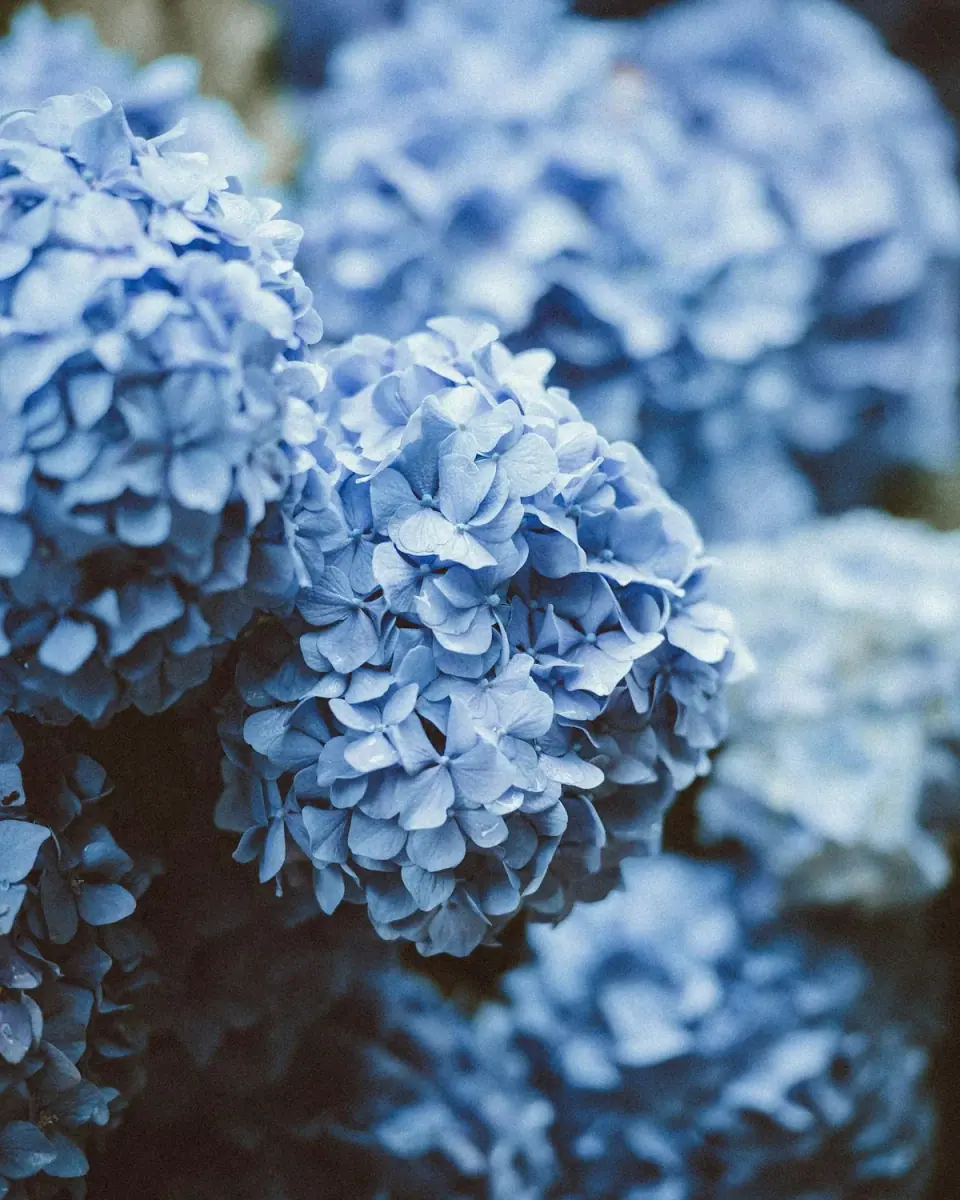
Hydrangea produces small flowers gathered into large, ball-shaped clusters. The colors are varied — pink, blue, purple, and white — and change with soil acidity. The leaves are large, egg-shaped, serrated, and arranged in opposite pairs. It is a shrub 3-7 ft (1-2 m) tall.
Caution — contains cyanogenic glycosides
The leaves and stems contain cyanogenic glycosides that cause vomiting, diarrhea, and depression if chewed. Large amounts can lead to cyanide poisoning, so even among caution-level plants this one deserves closer monitoring.
Guide for parents
Hydrangea is a flower you'll often meet as a summer cut flower or garden shrub. If you keep it potted, avoid spots within your cat's reach. A nibble or two on the leaves usually ends with mild vomiting, but if breathing becomes labored or the gums turn pale, go to the hospital immediately. If you keep it as a cut flower, place the vase where your cat can't drink the water.
If ingested
Contact your nearest vet immediately
- Onset
- 1–4 hours after ingestion
- Symptoms
- Vomiting, depression, diarrhea
- Action
- Consult a vet and monitor. Go in immediately if symptoms worsen.
Details
- Scientific name
- Hydrangea arborescens
- Common name
- Hydrangea
- Family
- Hydrangeaceae
- Toxic parts
- All parts
- Compounds
- Cyanogenic glycosides (hydrangin, Hydrangin)
- Onset
- 1–4 hours after ingestion
- Symptoms
- Vomiting, depression, diarrhea
- Action
- Consult a vet and monitor. Go in immediately if symptoms worsen.
- Source
- ASPCA