Lavender
Lavandula angustifolia · Lamiaceae
How it looks
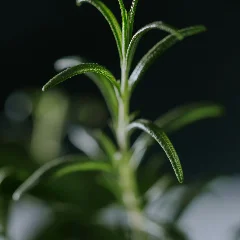
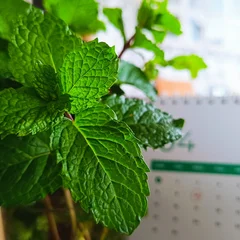
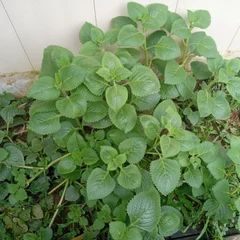
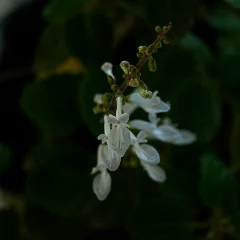
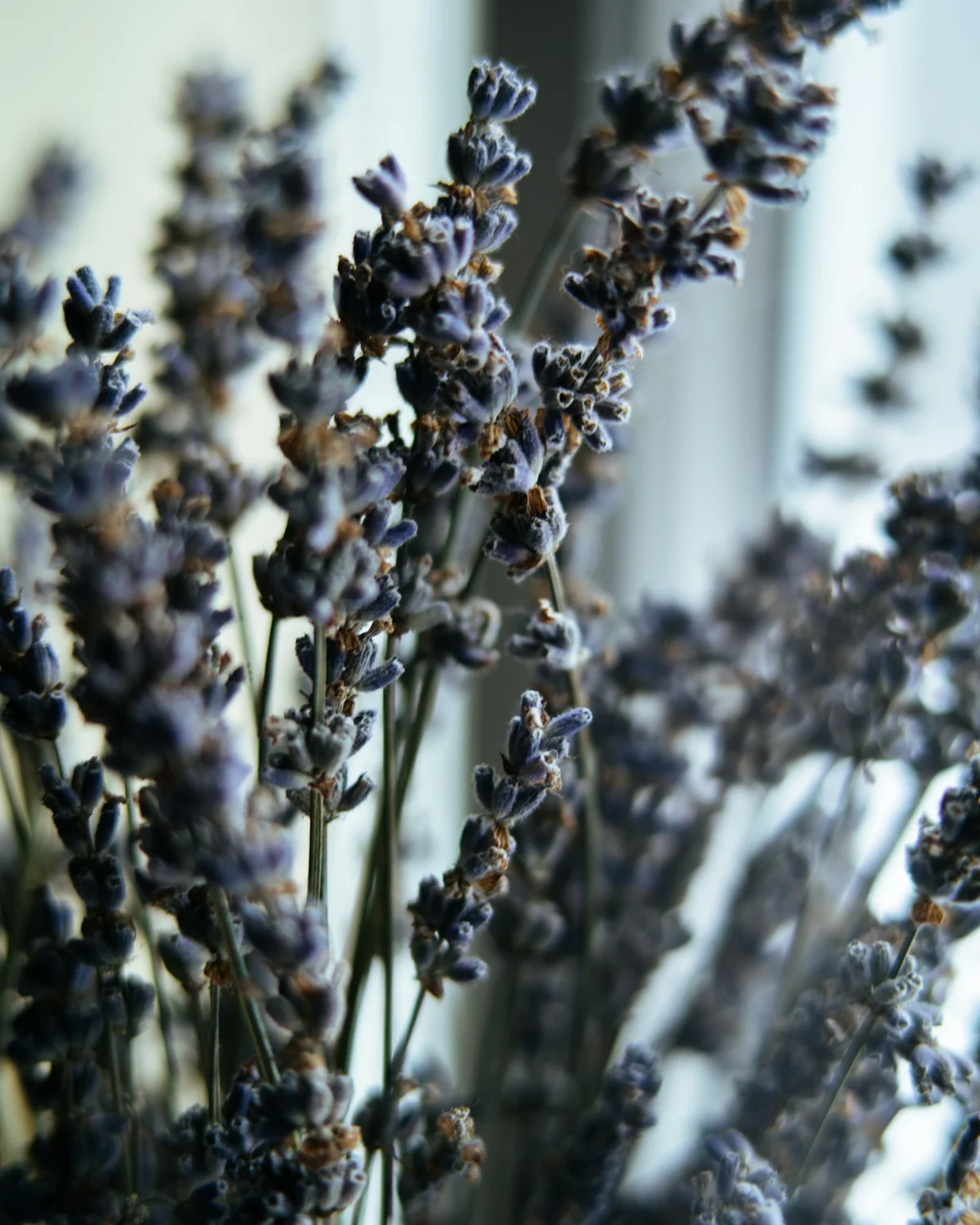
Lavender is an herb with narrow, long gray-green leaves and small purple flowers gathered in spikes. Both the leaves and flowers give off a strong lavender scent, and the stems grow upright. It stands 12–31 in (30–80 cm) tall and is common in gardens and pots.
Caution — essential oils are a strain
Essential oil components such as linalool put a strain on a cat's liver metabolism, causing nausea, vomiting, and loss of appetite. The essential oil is more dangerous than the plant itself, so keep an eye on both.
Guide for parents
Lavender often comes into the home as a dried flower, scented candle, or diffuser. Cats rarely chew the leaves directly, but a diffuser or oil containing Lavender essential oil can strain a cat through airborne concentration alone. We recommend keeping the plant up on a shelf and not using essential-oil products. If vomiting repeats, tell the vet about the exposure.
If ingested
Contact your nearest vet immediately
- Onset
- Right away to within 2 hours of ingestion
- Symptoms
- Nausea, vomiting, anorexia
- Action
- Rinse the mouth with water and monitor. Consult a vet if symptoms last more than 12 hours.
Details
- Scientific name
- Lavandula angustifolia
- Common name
- Lavender
- Family
- Lamiaceae
- Toxic parts
- All parts
- Compounds
- Linalool, Linalyl acetate
- Onset
- Right away to within 2 hours of ingestion
- Symptoms
- Nausea, vomiting, anorexia
- Action
- Rinse the mouth with water and monitor. Consult a vet if symptoms last more than 12 hours.
- Source
- ASPCA