Lemon Grass
Cymbopogon citratus · Poaceae
How it looks
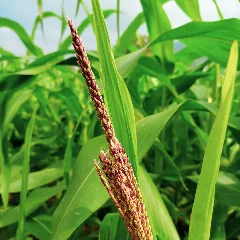
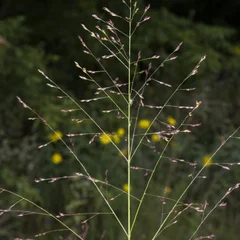
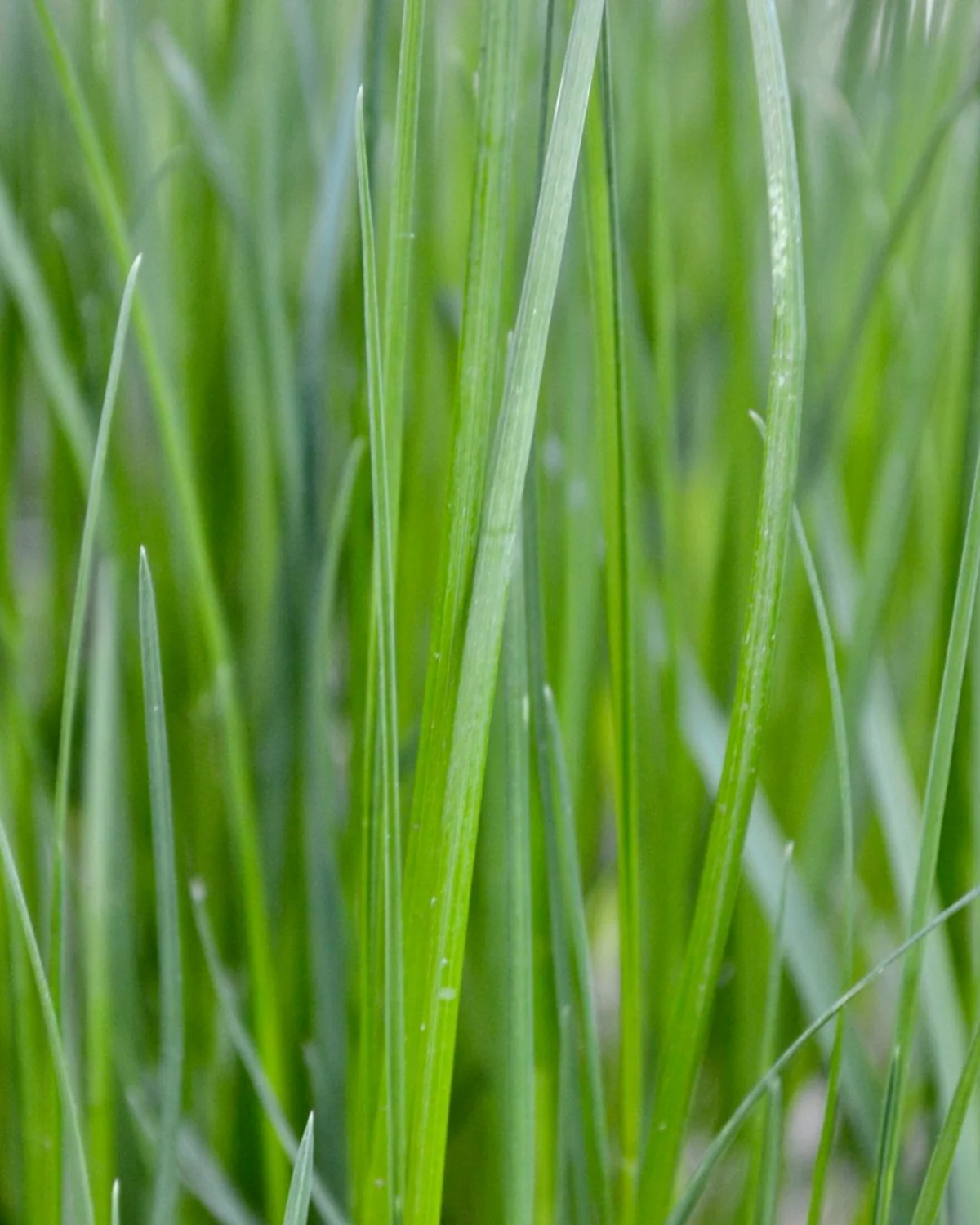
Lemon Grass (Cymbopogon citratus) is a grass whose narrow, long, sword-shaped leaves grow in clumps from the base. Cutting the leaves releases a strong lemon scent. The lower part of the stem is thick and whitish. Height 2-5 ft (60 cm-1.5 m); commonly used as a culinary herb.
Mild caution — stomach irritation
All parts of Lemon Grass contain irritating compounds that can cause vomiting and lethargy if chewed. Most cats recover on their own, but as a caution-level plant it still calls for monitoring.
Guide for parents
An occasional nibble of Lemon Grass usually doesn't lead to anything serious, but the unidentified compounds in it can irritate the stomach and mucous membranes and cause mild gastrointestinal symptoms. Make a habit of clearing away fallen leaves or broken stems the same day, and keep the pot somewhere your cat can't reach. If symptoms last more than 12 hours or your cat's appetite clearly drops, consult your vet.
If ingested
Contact your nearest vet immediately
- Onset
- Right away to within 2 hours of ingestion
- Symptoms
- Vomiting, lethargy
- Action
- Rinse the mouth with water and monitor. Consult a vet if symptoms last more than 12 hours.
Details
- Scientific name
- Cymbopogon citratus
- Common name
- Lemon Grass
- Family
- Poaceae
- Toxic parts
- All parts
- Compounds
- Unknown
- Onset
- Right away to within 2 hours of ingestion
- Symptoms
- Vomiting, lethargy
- Action
- Rinse the mouth with water and monitor. Consult a vet if symptoms last more than 12 hours.
- Source
- ASPCA