Mapleleaf Begonia
Begonia cleopatra · Begoniaceae
How it looks
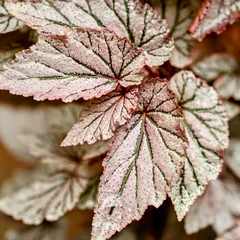
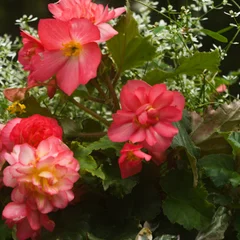
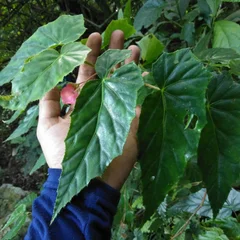
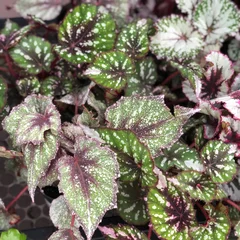
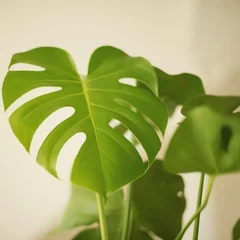
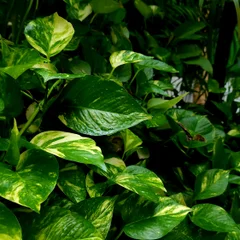
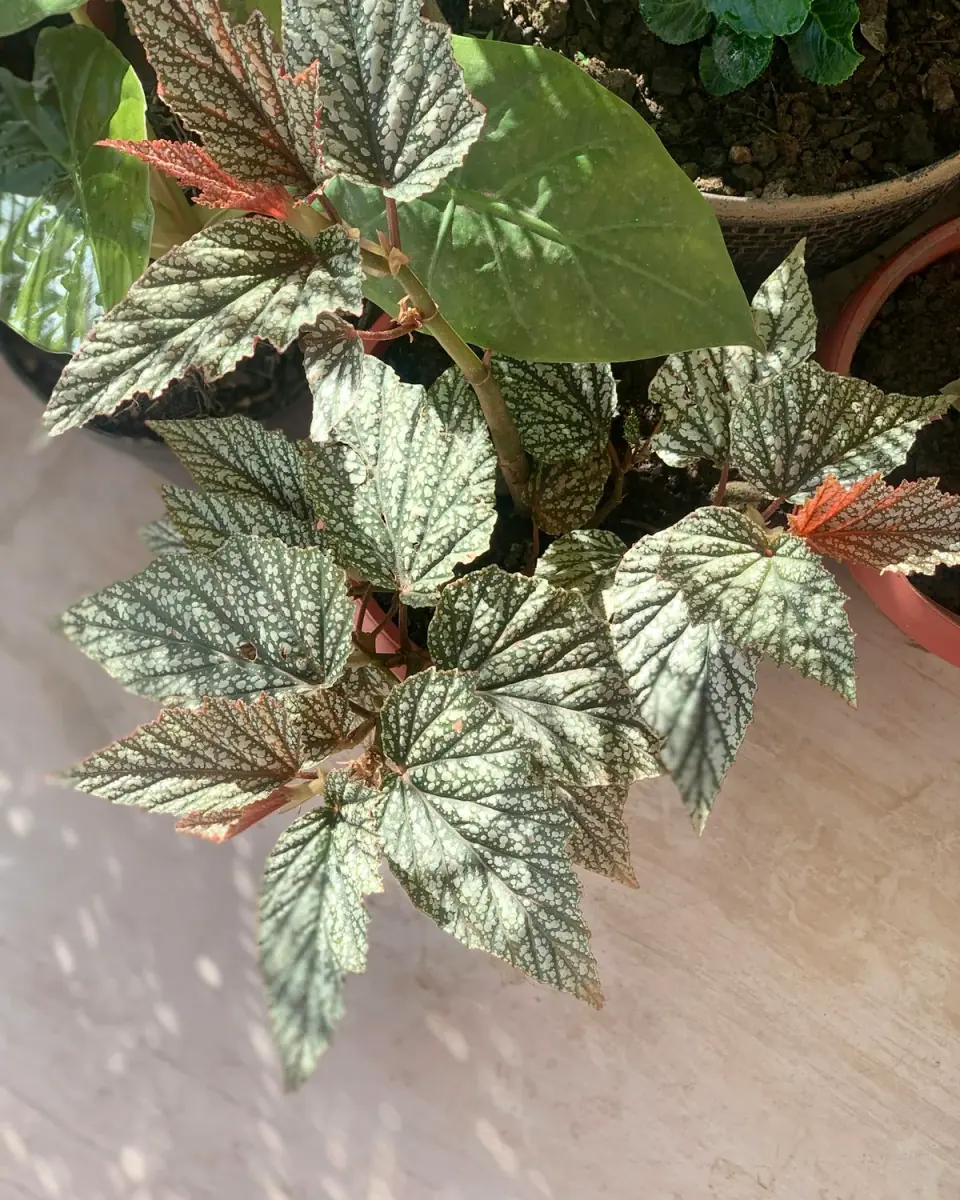
Mapleleaf begonia is a type of begonia with deeply lobed, palm-shaped leaves marked in silver, purple, and red. It gets its name from the leaves' resemblance to maple leaves, and the undersides are purple. Grows 8–16 in tall.
Mild caution — stomach upset
The roots and leaves of mapleleaf begonia contain irritating compounds that can cause vomiting if chewed. Most cats recover on their own, but as a caution-level plant it still calls for monitoring.
Guide for parents
A nibble or two of mapleleaf begonia rarely leads to serious trouble, but its calcium oxalates and oxalates irritate the stomach and mucous membranes, causing mild digestive upset. Make it a habit to clear fallen leaves and broken stems the same day, and keep the pot somewhere your cat can't reach. If symptoms last more than 12 hours or your cat's appetite drops noticeably, consult your vet.
If ingested
Contact your nearest vet immediately
- Onset
- Within minutes to 2 hours of ingestion
- Symptoms
- Oral irritation, vomiting
- Action
- Rinse the mouth with water and monitor. Consult a vet if symptoms last more than 12 hours.
Details
- Scientific name
- Begonia cleopatra
- Common name
- Mapleleaf Begonia
- Family
- Begoniaceae
- Toxic parts
- Roots, Leaves
- Compounds
- Calcium oxalates, Oxalates
- Onset
- Within minutes to 2 hours of ingestion
- Symptoms
- Oral irritation, vomiting
- Action
- Rinse the mouth with water and monitor. Consult a vet if symptoms last more than 12 hours.
- Source
- ASPCA