Asian Lily
Lilium asiatica · Liliaceae
How it looks
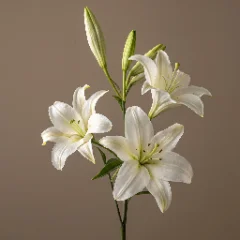
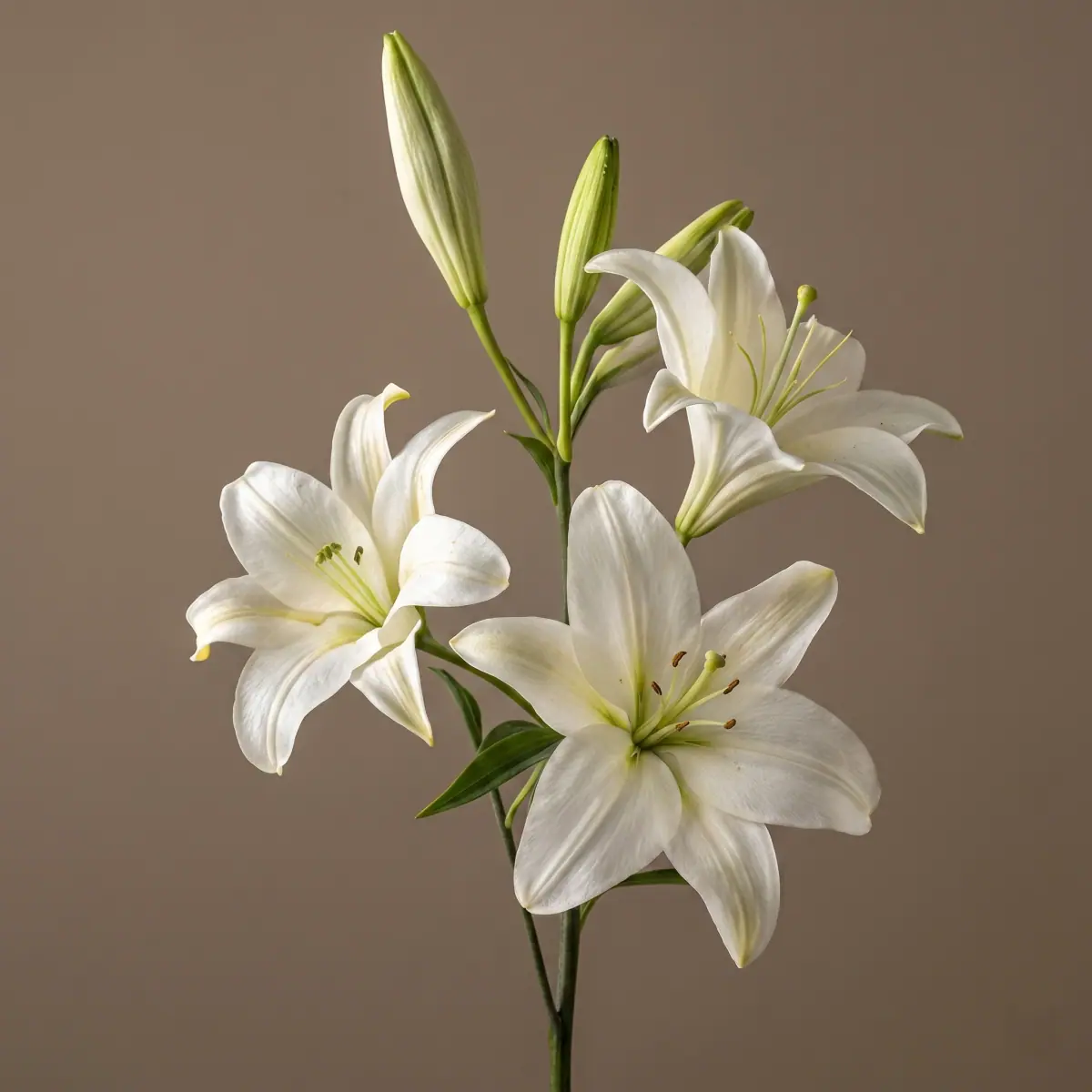
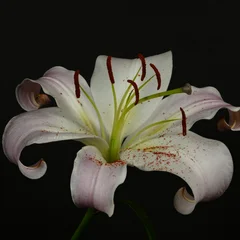
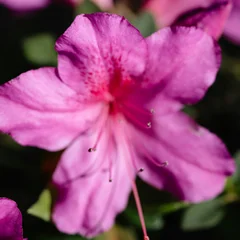
Asian Lily is a lily cultivar marked by upward-facing, fully open flowers. It comes in white, pink, yellow, orange, red, and more, with deep spots on the petals and almost no scent. The leaves are narrow, long, and sword-shaped, and it grows upright to 24–47 in (60–120 cm) tall.
Deadly — kidney failure from a small amount
Asian Lily is a bouquet regular, but for cats it is one of the most dangerous plants there is. Petals, pollen, and even vase water can all cause kidney failure.
Guide for parents
The moment a gift bouquet arrives, check whether it contains any lilies. Even a single stem is reason not to bring it indoors — returning or discarding it is the safe move. A cat can be poisoned just by brushing against the flowers and then grooming. If petals have dropped or pollen has dusted the table, wipe it up immediately. If you suspect ingestion, go to the vet immediately even if there are no symptoms at all. The sooner it's caught, the better the chance of protecting the kidneys.
If ingested
Contact your nearest vet immediately
- Onset
- 6–24 hours after ingestion (symptoms may be delayed)
- Symptoms
- Vomiting, inappetence, kidney failure, death
- Action
- Go to a 24-hour animal hospital immediately. Don't wait, even if there are no symptoms.
Details
- Scientific name
- Lilium asiatica
- Common name
- Asian Lily
- Family
- Liliaceae
- Toxic parts
- All parts (including pollen)
- Compounds
- Unknown (presumed steroidal saponins)
- Source
- ASPCA