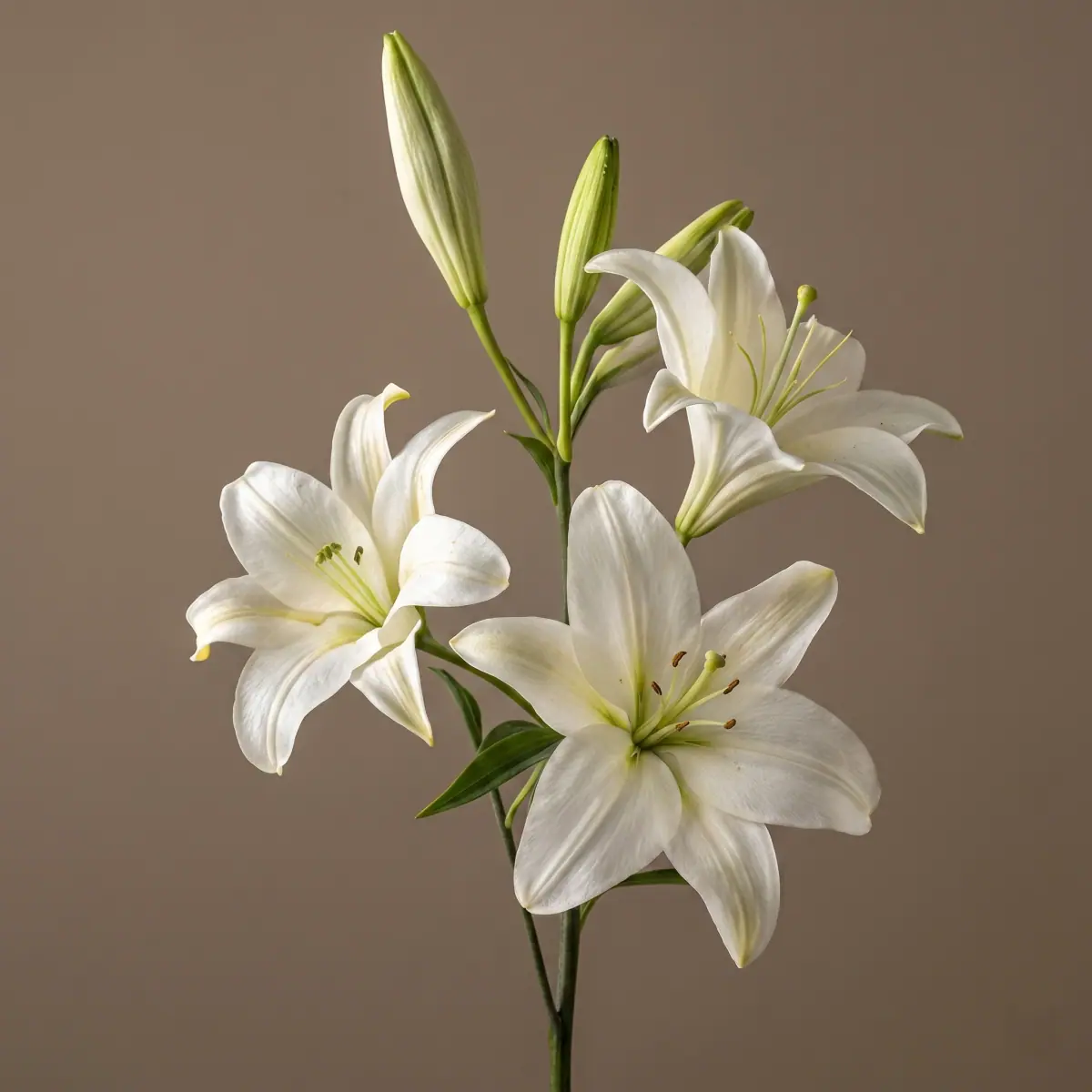
Coontie Palm
Zamia pumila · Cycadaceae
How it looks
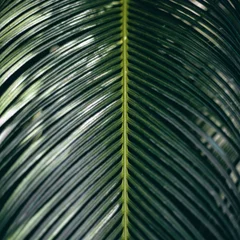
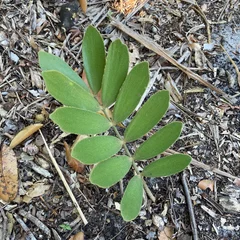
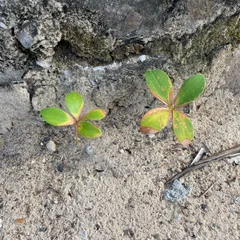
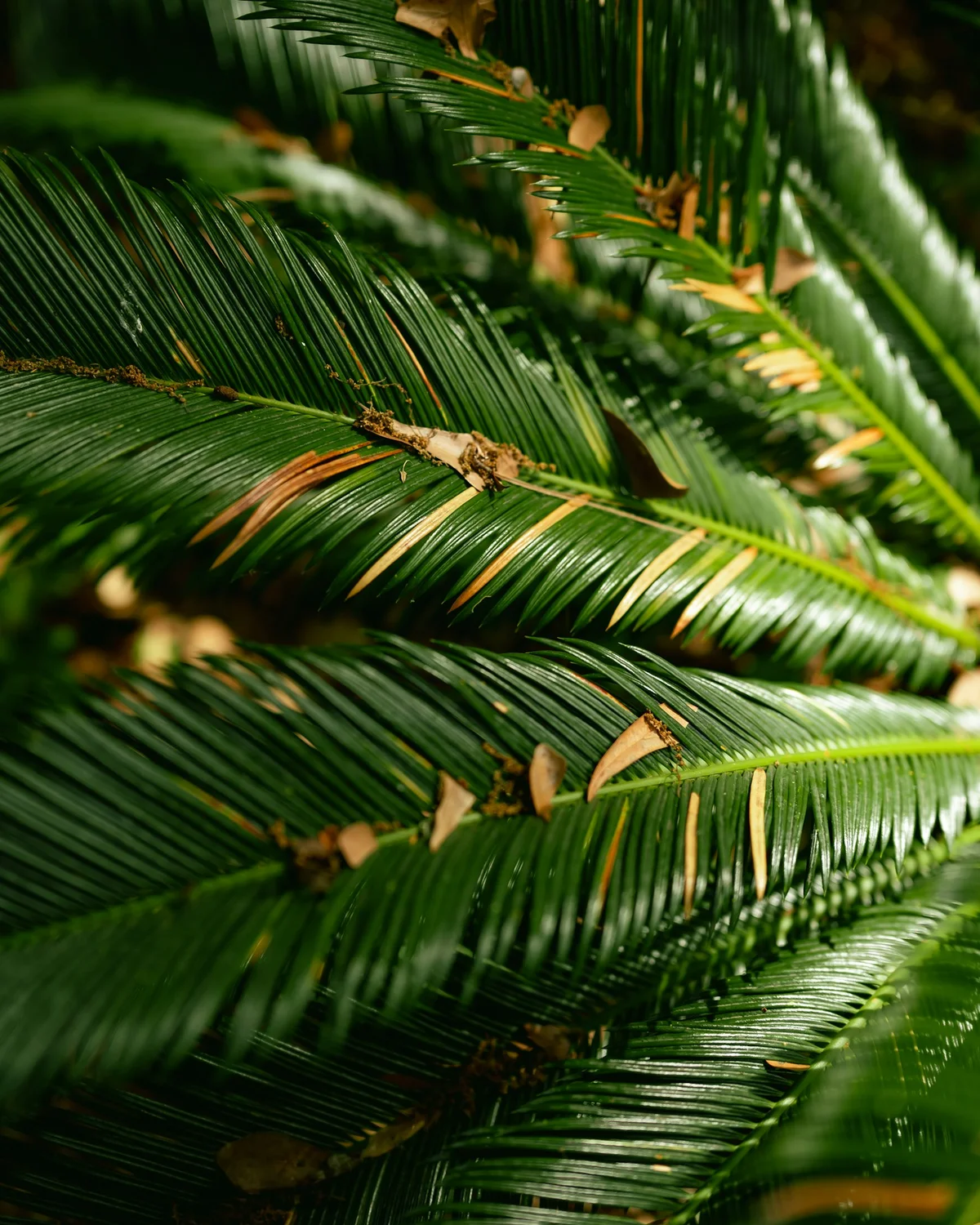
Coontie Palm is a small cycad-family plant whose glossy feather-shaped leaves spread from a short trunk. The leaves are narrower and smaller than those of Zamia, and at about 20 in to 3 ft (50 cm-1 m) tall it is more compact. It looks like a palm but is not a true palm.
Deadly — liver failure
Coontie Palm (Coontie Palm) is a cycad; all parts (especially the seeds) contain cycasin, and ingestion can lead to liver failure and death.
Guide for parents
Coontie Palm (Coontie Palm) is popular as a houseplant, but it's one of the most dangerous plants for cats. Don't bring it into your home. The seeds in particular are deadly even in small amounts, and even a chew or two on the leaves can start liver damage. If you suspect ingestion, head to a 24-hour animal hospital right away even if there are no symptoms. Liver toxicity typically shows its full effect 24–48 hours later.
If ingested
Contact your nearest vet immediately
- Onset
- 6–24 hours after ingestion (symptoms may be delayed)
- Symptoms
- Vomiting, liver failure, death
- Action
- Go to a 24-hour animal hospital immediately. Don't wait, even if there are no symptoms.
Details
- Scientific name
- Zamia pumila
- Common name
- Coontie Palm
- Family
- Cycadaceae
- Toxic parts
- All parts (especially the seeds)
- Compounds
- Cycasin
- Source
- ASPCA