Foxglove
Digitalis purpurea · Plantaginaceae
How it looks
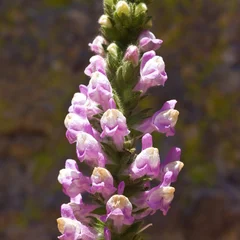
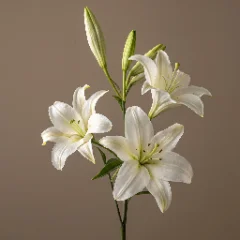
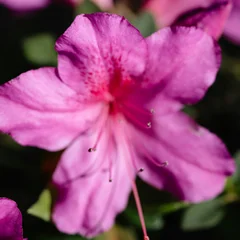
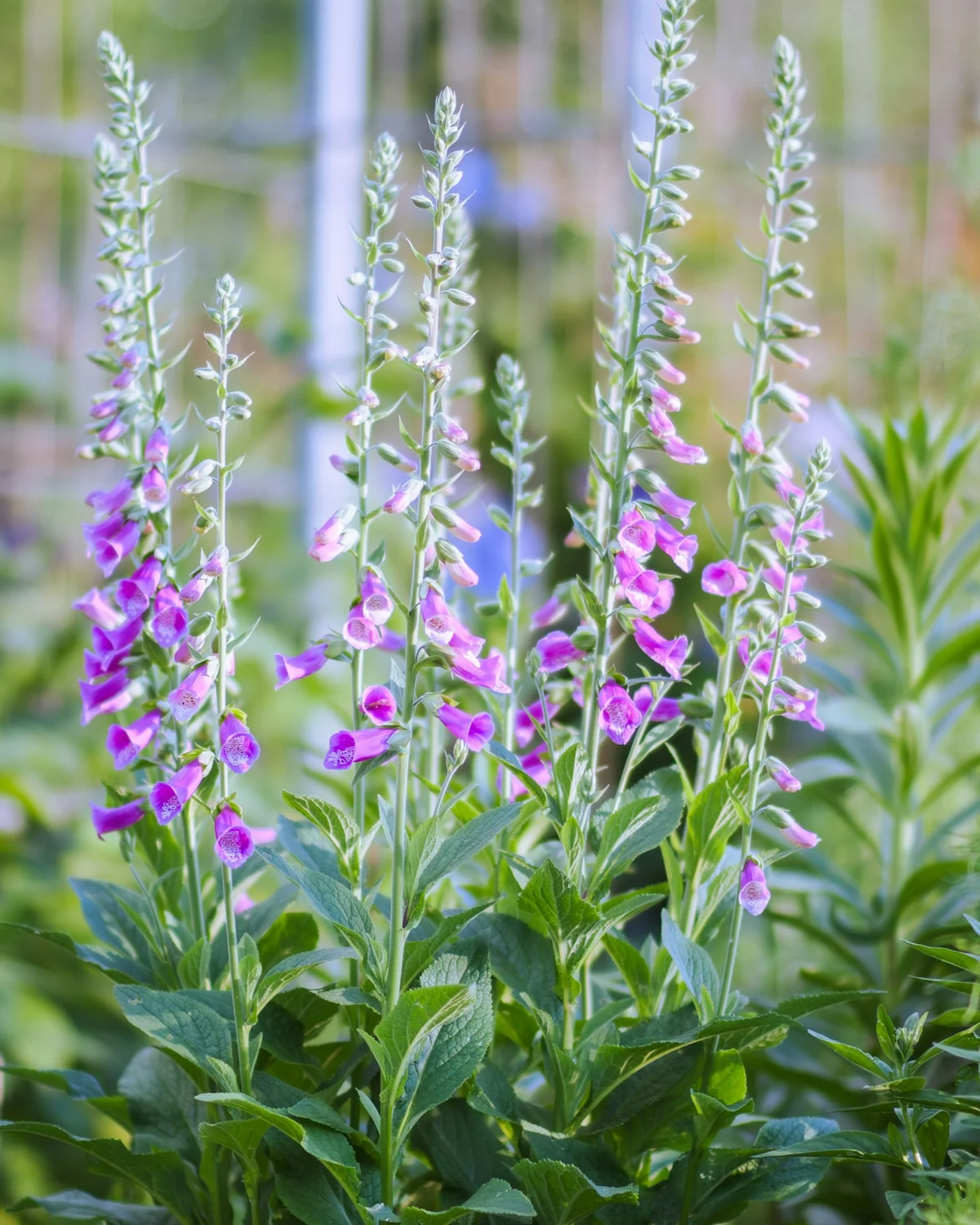
Foxglove is a tall herb whose bell- or thimble-shaped flowers hang in a row along one side of the stem. The pink, purple, or white petals have dark spots on the inside. The leaves are oval with serrated edges. It grows 3-5 ft (1-1.5 m) tall and is common in gardens.
Deadly — cardiac arrest
All parts of Foxglove contain potent cardiac glycosides (digitalin); ingestion can lead to heart arrhythmias and death. It may be a medicinal plant for humans, but for cats it is deadly.
Guide for parents
Foxglove is popular as a garden flower, but don't bring it into an environment where a cat lives. The flowers, leaves, stems, and even the vase water are all dangerous. Because it's used medicinally, it's highly active and provokes a reaction even in small amounts. If you suspect ingestion, head to a 24-hour animal hospital right away. Cardiac toxicity is a race against time.
If ingested
Contact your nearest vet immediately
- Onset
- 6–24 hours after ingestion (symptoms may be delayed)
- Symptoms
- Cardiac arrhythmia, vomiting, death
- Action
- Go to a 24-hour animal hospital immediately. Don't wait, even if there are no symptoms.
Details
- Scientific name
- Digitalis purpurea
- Common name
- Foxglove
- Family
- Plantaginaceae
- Toxic parts
- All parts
- Compounds
- Cardiac glycosides (digitalis, Digitalin)
- Source
- ASPCA