Japanese Yew
Taxus sp. · Taxaceae
How it looks
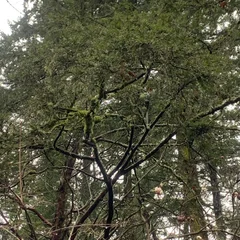
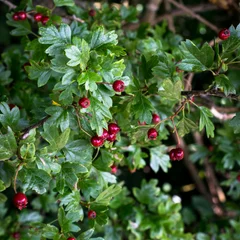
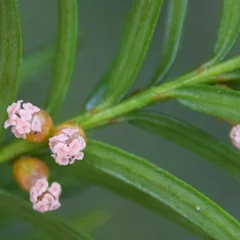
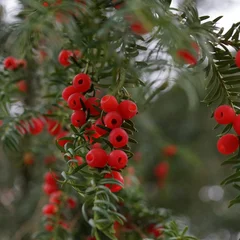
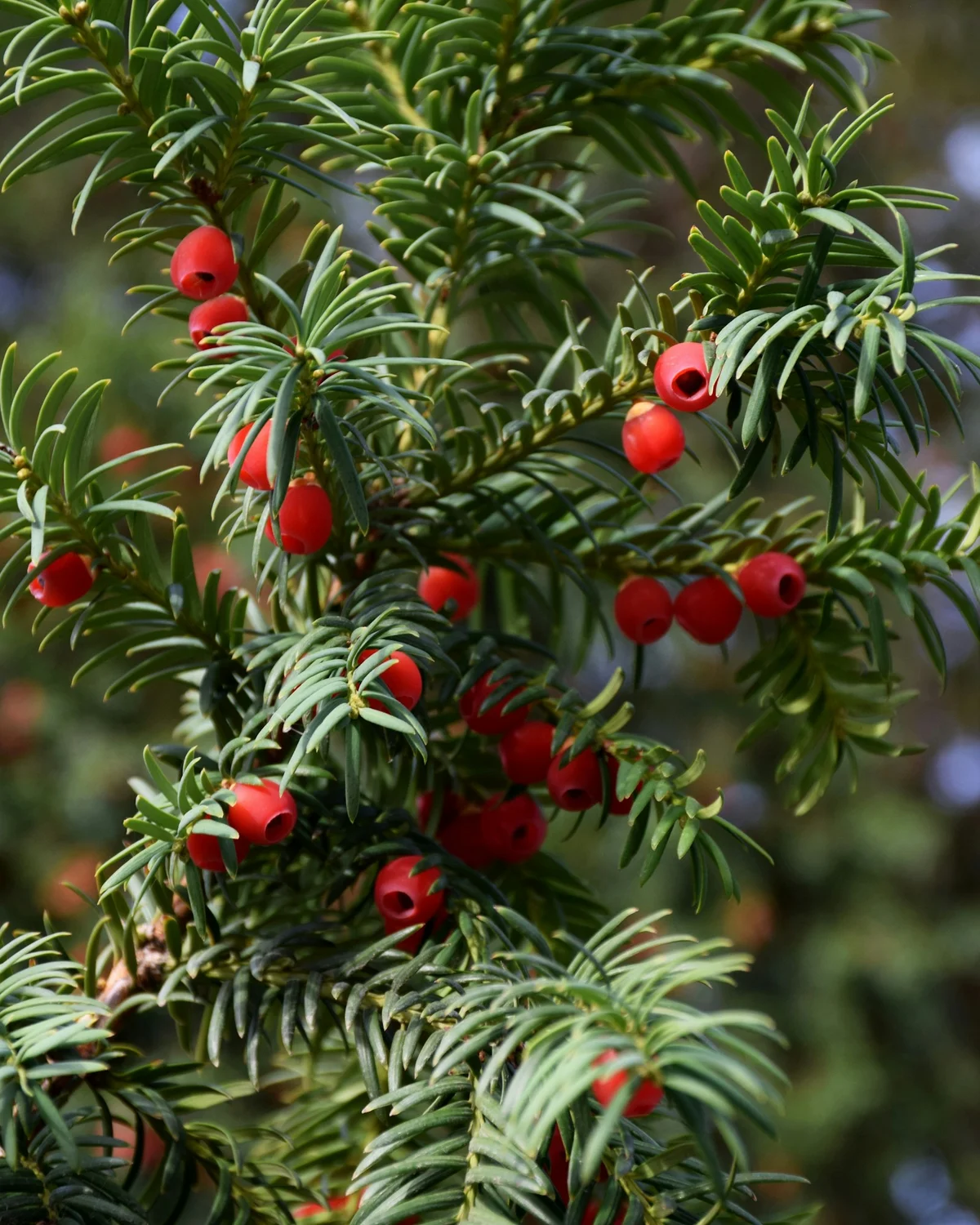
The Japanese Yew is a coniferous evergreen with short needle leaves arranged comb-like along the branches. The leaves are dark green with paler undersides. It grows 16–33 ft (5–10 m) tall, and in autumn red, cup-shaped arils appear among the leaves. It is common for gardens and hedges.
Deadly — cardiac arrest
The leaves, stems, and seeds (except the red aril) of Japanese Yew contain taxine alkaloids; ingestion can lead to tremors, difficulty breathing, and cardiac arrest.
Guide for parents
Japanese Yew is a conifer often planted as a garden tree or hedge. Keep it away from any space your cat shares. Only the red aril (the fleshy covering around the seed) is non-toxic — the needles, stems, and seeds themselves are all deadly. If you suspect ingestion, go to a 24-hour animal hospital immediately even if symptoms seem mild. Cardiac toxicity can progress suddenly.
If ingested
Contact your nearest vet immediately
- Onset
- 6–24 hours after ingestion (symptoms may be delayed)
- Symptoms
- Vomiting, tremors, cardiac failure
- Action
- Go to a 24-hour animal hospital immediately. Don't wait, even if there are no symptoms.
Details
- Scientific name
- Taxus sp.
- Common name
- Japanese Yew
- Family
- Taxaceae
- Toxic parts
- All parts (except the red aril)
- Compounds
- Taxine alkaloids
- Source
- ASPCA