Oleander
Nerium oleander · Apocynaceae
How it looks
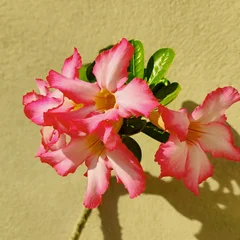
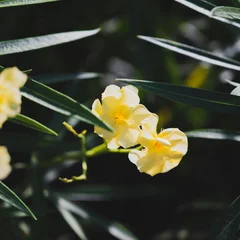
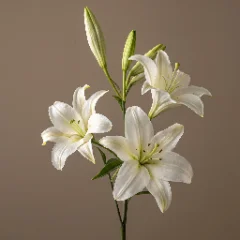
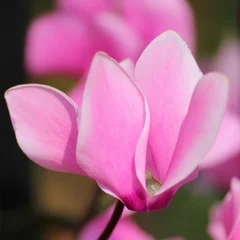
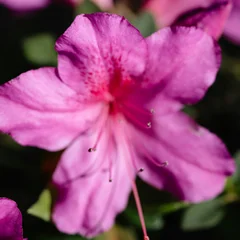
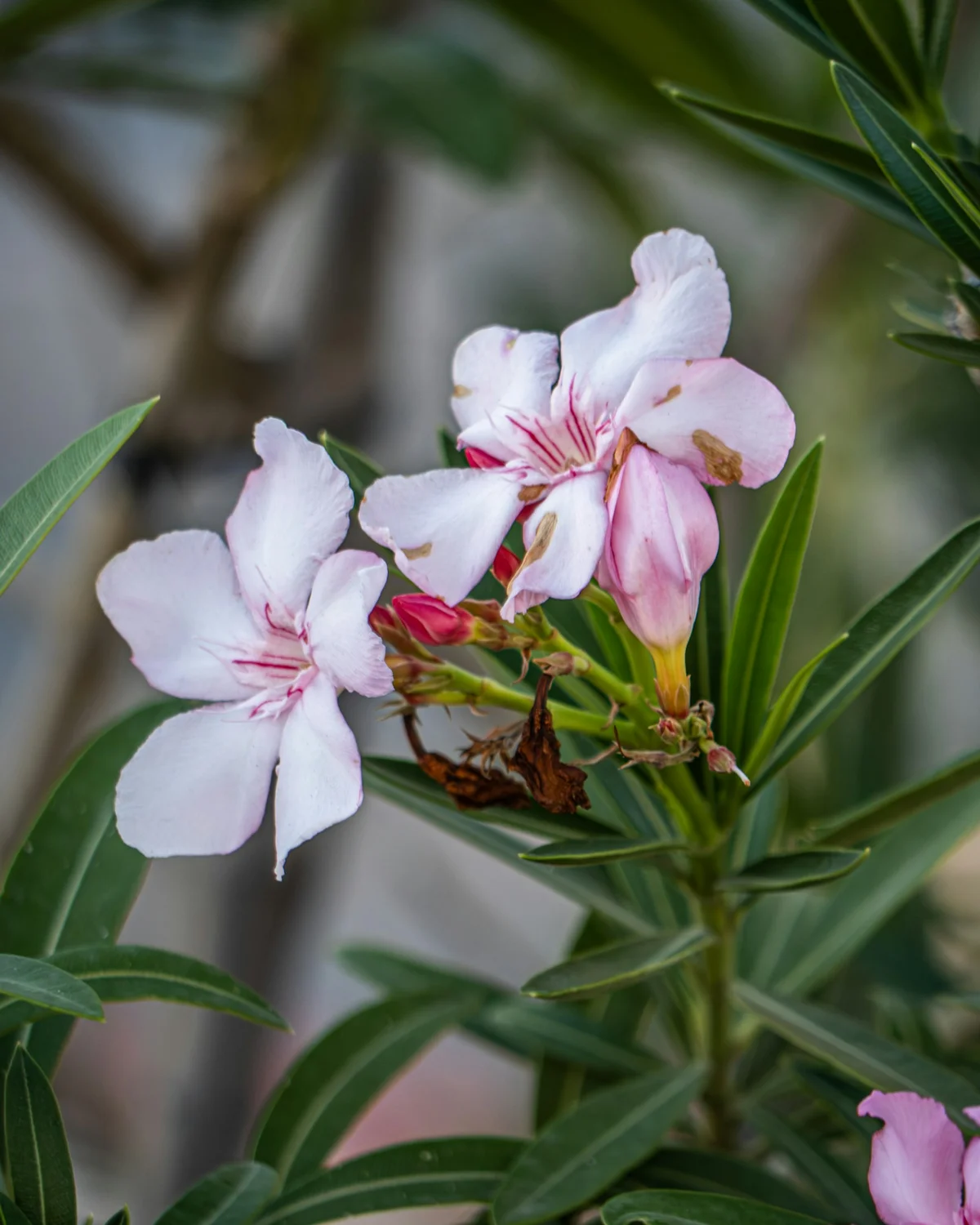
Oleander is an evergreen shrub with narrow, long, leathery leaves arranged three to a whorl along the branches. White, pink, deep pink, or yellow flowers bloom in clusters at the branch tips and are strongly fragrant. At 7-16 ft (2-5 m) tall it is common as an outdoor street tree or garden shrub, and cutting the stem releases a white latex.
Deadly — a single leaf can stop the heart
All parts of Oleander contain powerful cardiac glycosides such as oleandrin and neriine; eating even a single leaf can lead to heart arrhythmias and death.
Guide for parents
Oleander is sometimes planted as a street or garden tree in warm regions, but never bring it into a home shared with a cat. Every form is dangerous — bouquet, dried flower, or garden shrub — down to a single piece. Even the smoke from burning cut branches is reported to be hazardous. If you suspect ingestion, go to a 24-hour animal hospital immediately even if there are no symptoms. With Oleander poisoning, the window for treatment is very short.
If ingested
Contact your nearest vet immediately
- Onset
- 6–24 hours after ingestion (symptoms may be delayed)
- Symptoms
- Drooling, vomiting, incoordination, heart failure
- Action
- Go to a 24-hour animal hospital immediately. Don't wait, even if there are no symptoms.
Details
- Scientific name
- Nerium oleander
- Common name
- Oleander
- Family
- Apocynaceae
- Toxic parts
- All parts
- Compounds
- Oleandrin, Neriine (a cardiac glycoside)
- Source
- ASPCA