Poison Hemlock
Conium maculatum · Apiaceae
How it looks
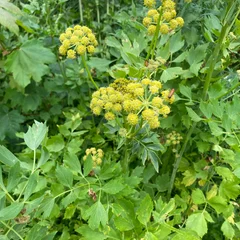
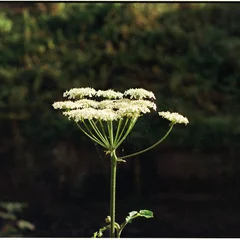
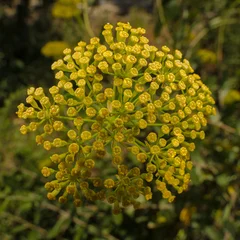
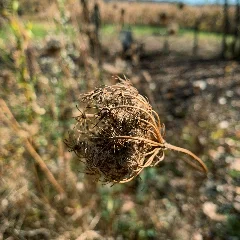
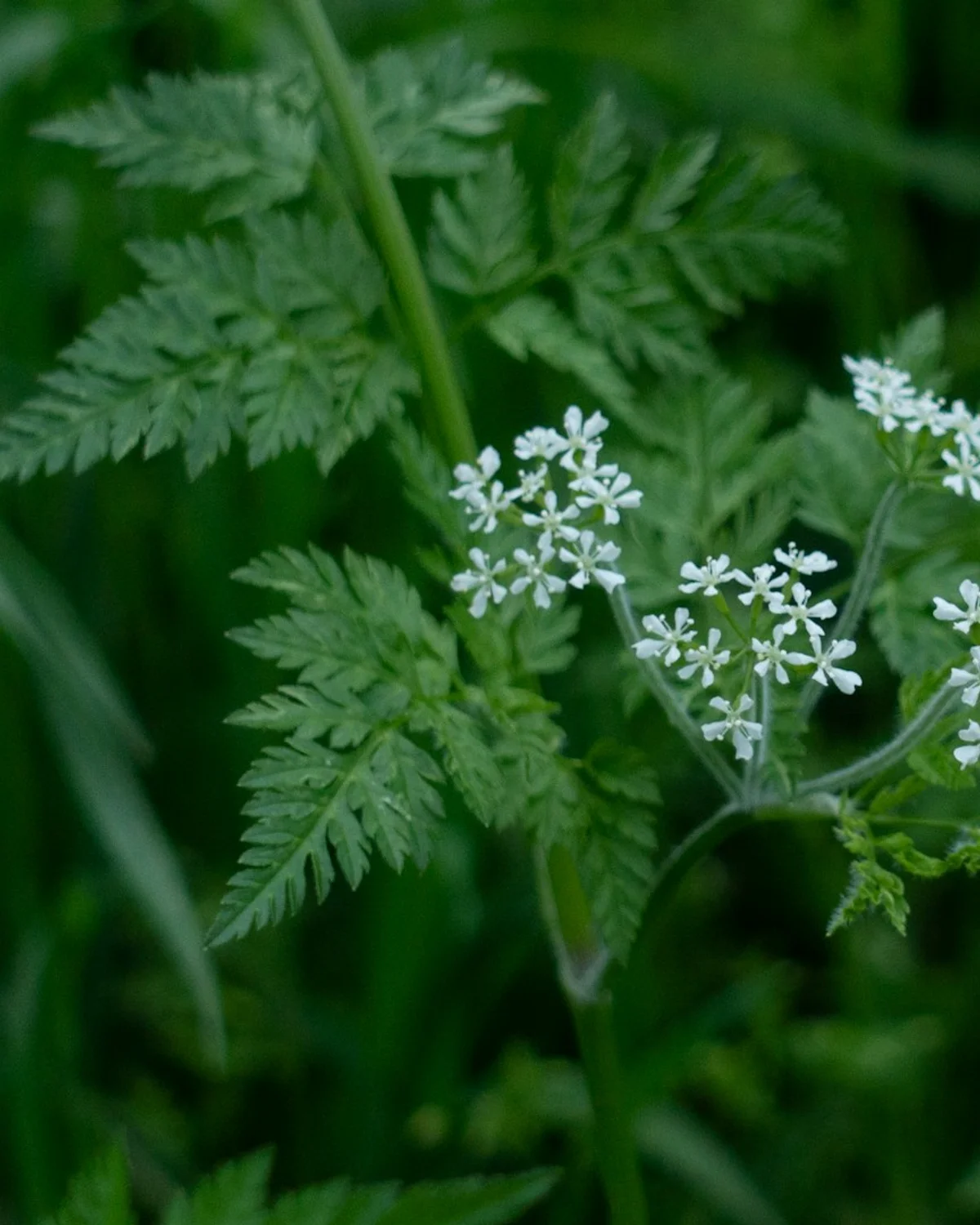
Poison Hemlock is a herb in the carrot family (Apiaceae) with purple spots on its stem and very fine, feather-shaped leaves that are deeply divided. Small white flowers spread out in an umbrella shape, and it grows 3-8 ft (1-2.5 m) tall. It closely resembles wild parsley and carrot, posing a high risk of being mistaken for them.
Dangerous — fatal neurotoxin; see a vet immediately
Poison Hemlock contains neurotoxic alkaloids such as coniine, and even a small amount can be fatal. Vomiting, tremors, incoordination, and respiratory failure progress rapidly and can lead to death.
Guide for parents
Purple blotches on the stem are the identifying mark of Poison Hemlock. Neurotoxic alkaloids such as coniine run through the entire plant, and even a small amount can be fatal. If you suspect ingestion, go to an animal hospital immediately. Do not wait, even if there are no symptoms.
If ingested
Contact your nearest vet immediately
- Onset
- 30 minutes to 2 hours after ingestion
- Symptoms
- Vomiting, Excessive salivation, Weakness, Trembling, Incoordination, Bradycardia, Respiratory failure, Death
- Action
- Go to an animal hospital immediately. Don't wait — delaying treatment risks death.
Details
- Scientific name
- Conium maculatum
- Common name
- Poison Hemlock
- Family
- Apiaceae
- Toxic parts
- All parts
- Compounds
- Coniine, γ-coniceine, Piperidine alkaloids
- Source
- ASPCA