Poison Parsnip
Cicuta maculata · Apiaceae
How it looks
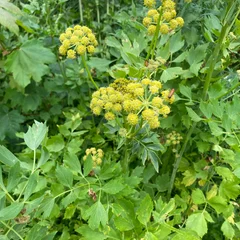
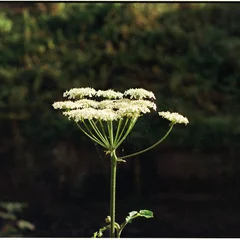
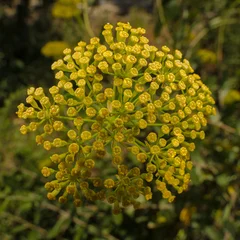
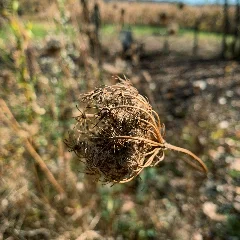
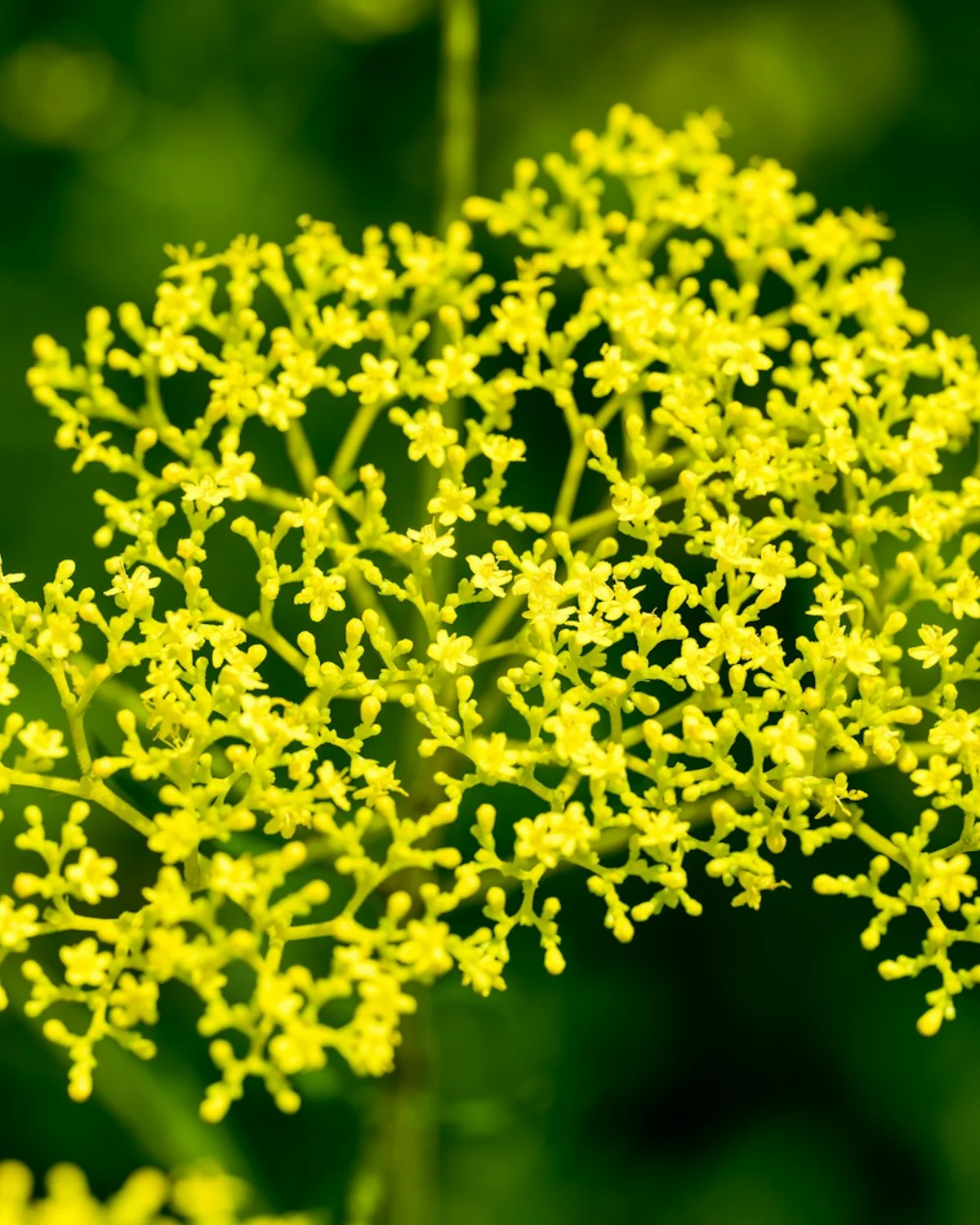
Poison Parsnip is a member of the carrot family with purple-spotted stems and feather-divided leaves. Small white flowers gather in umbrella-shaped clusters. It stands 3–7 ft (1–2 m) tall, grows in wetlands, and carries a high risk of being mistaken for wild water dropwort or carrot.
Dangerous — fatal neurotoxin; see a vet immediately
This is a deadly poisonous plant containing cicutoxin. Seizures and respiratory failure progress rapidly and can be fatal. If you suspect your cat has ingested any, go to a veterinary hospital immediately.
Guide for parents
An occasional nibble on poison parsnip rarely leads to serious trouble, but the furocoumarins and essential oils it contains irritate the stomach and mucous membranes, causing mild digestive upset. Make a habit of picking up fallen leaves and broken stems the same day, and keep the pot out of your cat's reach. If symptoms last more than 12 hours or your cat's appetite drops noticeably, consult your vet.
If ingested
Contact your nearest vet immediately
- Onset
- 15 minutes to 2 hours after ingestion
- Symptoms
- Vomiting, Excessive salivation, Trembling, Seizures, Respiratory failure, Death
- Action
- Go to an animal hospital immediately. Don't wait — treatment before seizures begin is what matters most.
Details
- Scientific name
- Cicuta maculata
- Common name
- Poison Parsnip
- Family
- Apiaceae
- Toxic parts
- All parts
- Compounds
- Cicutoxin, Cicutin
- Source
- ASPCA