Rhubarb
Rheum rhabarbarium · Polygonaceae
How it looks
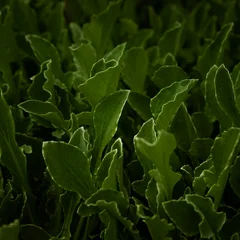
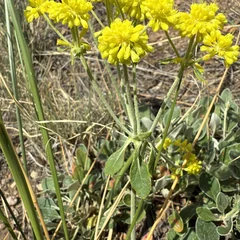
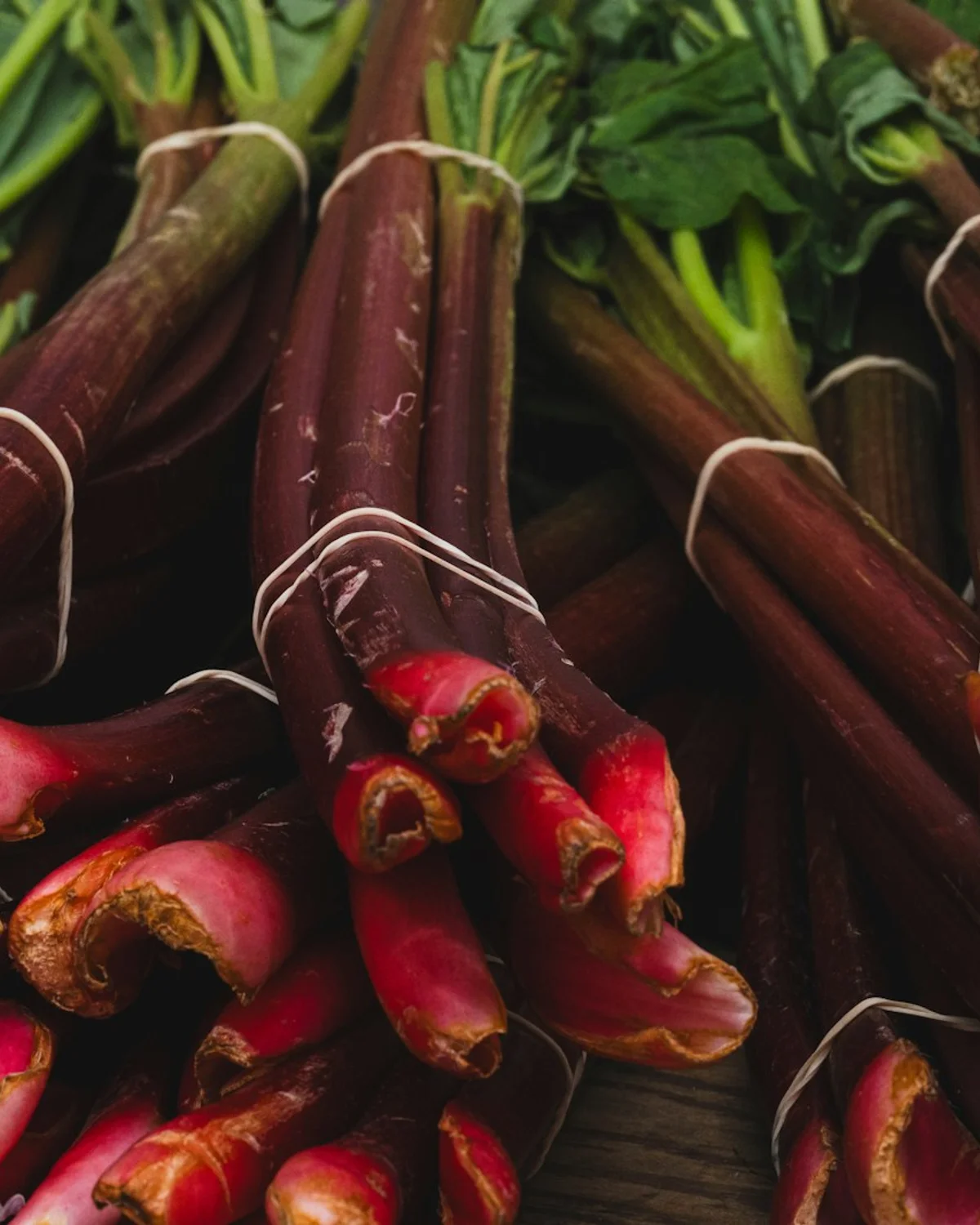
Rhubarb is a vegetable whose thick red leaf stalks bear large heart- or palm-shaped deep-green leaves at their tips. The leaf stalks are about 20-31 in (50-80 cm), strongly tinged red and releasing sap when touched. The flower stalk grows upright to about 3-6.5 ft (1-2 m), gathering white to pale-pink flowers in a cone shape at the top.
Dangerous — kidney failure
The leaves (most toxic part) and roots of Rhubarb contain concentrated oxalic acid; ingestion can cause drooling and tremors, and may progress to kidney failure.
Guide for parents
Rhubarb is a plant whose stalks are eaten, but the leaves are toxic even to people. Wherever you keep it — kitchen or garden — clear up any fallen leaves right away. You'd never feed the stalks as people food anyway, but an environment with the leaves exposed is itself dangerous. If you suspect ingestion, head to an animal hospital right away. Oxalate poisoning causes cumulative kidney damage.
If ingested
Contact your nearest vet immediately
- Onset
- 2–6 hours after ingestion
- Symptoms
- Hypersalivation, tremors, kidney failure
- Action
- Go to an animal hospital immediately. Don't wait, even if symptoms seem mild.
Details
- Scientific name
- Rheum rhabarbarium
- Common name
- Rhubarb
- Family
- Polygonaceae
- Toxic parts
- Leaves (most toxic part), Roots
- Compounds
- Oxalic acid, Anthraquinone glycosides
- Source
- ASPCA