Bitter Root
Apocynum androsaemifolium · Apocynaceae
How it looks
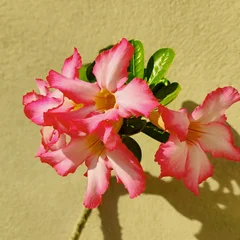
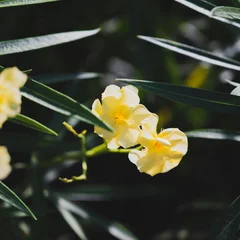
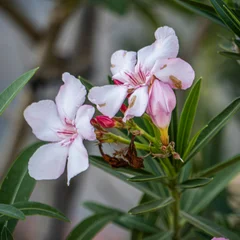
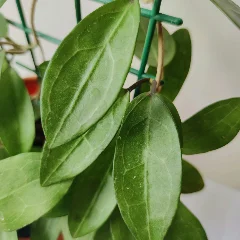
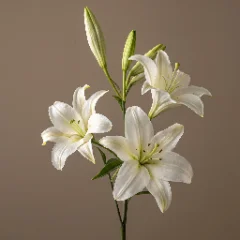
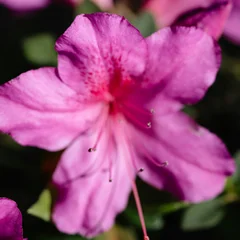
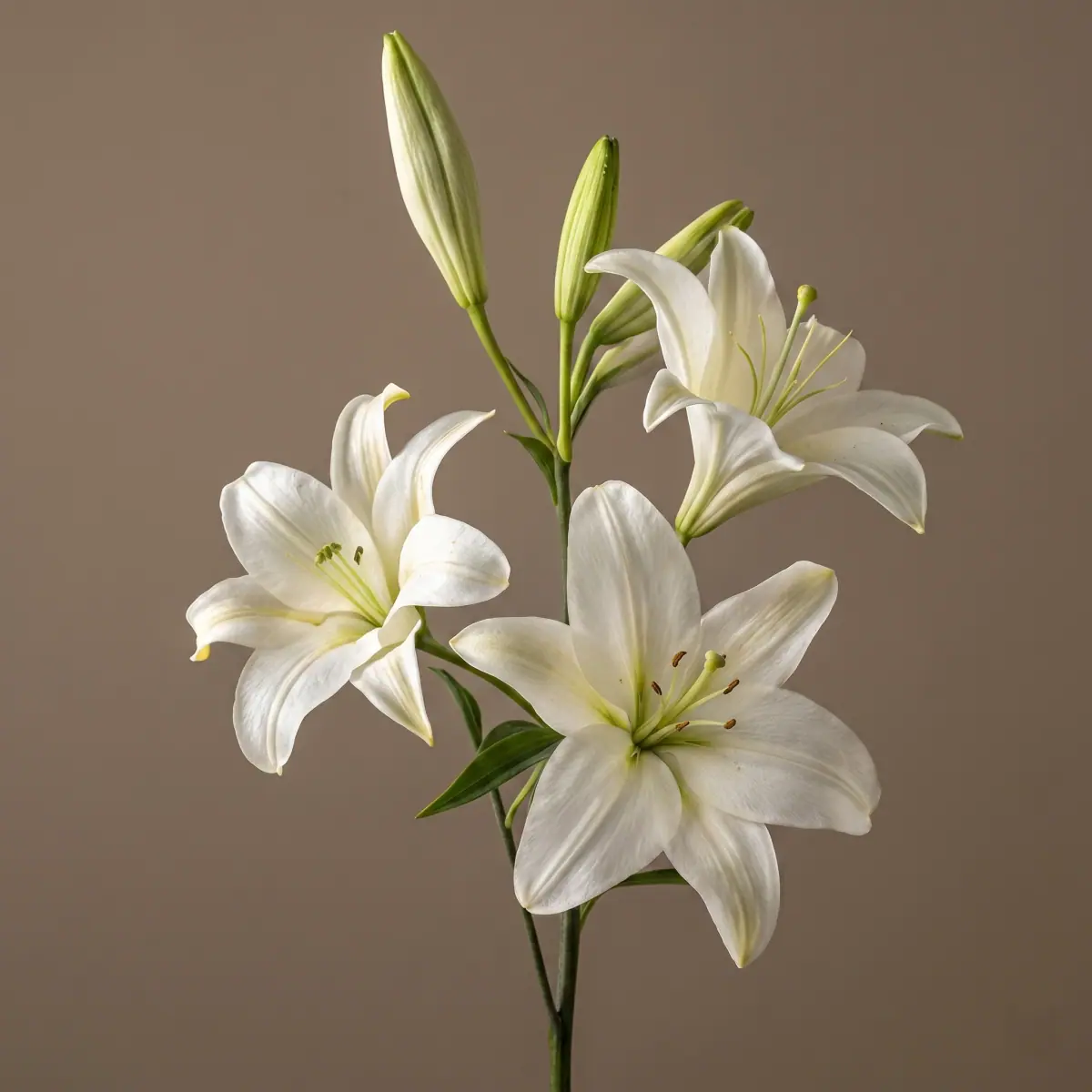
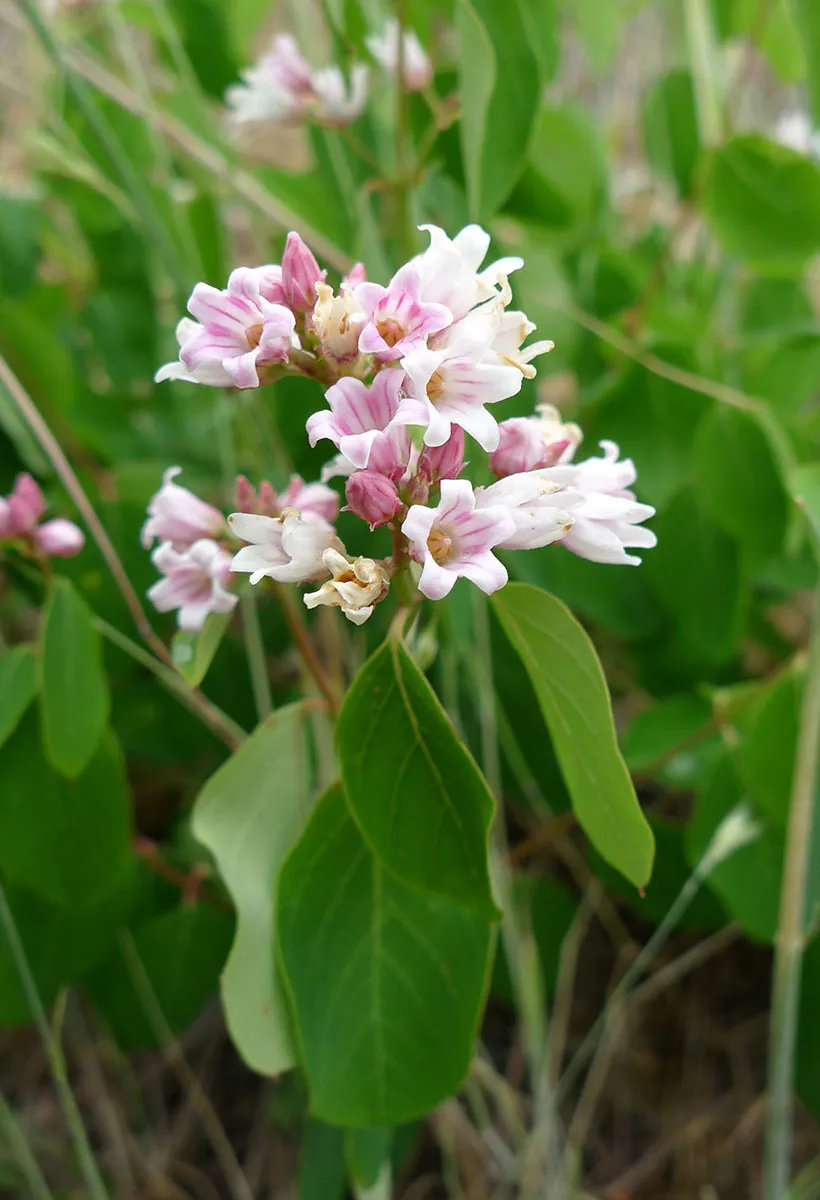
Bitter root (Apocynum) is an herb of the dogbane family (Apocynaceae), distinguished by oval leaves arranged opposite one another along the stem. Small pink-to-white bell-shaped flowers cluster at the branch tips. The cut stem exudes a white latex. Height 12–31 in (30–80 cm), growing in the wild.
Deadly — cardiac arrest
All parts of Bitter Root (Bitter Root) contain cardiac glycosides; even a small amount can cause arrhythmias, vomiting, and depression, and in serious cases this can progress to cardiac arrest.
Guide for parents
Bitter Root (Bitter Root) is sometimes grown as a garden or ornamental plant, but never bring it into a space where a cat lives. The leaves, flowers, stems, roots, and even the vase water are all dangerous. Don't leave cut stems lying around — dispose of them immediately. If you suspect ingestion, head to a 24-hour animal hospital right away even if there are no symptoms. Cardiac toxicity can appear late, so the golden window is very short.
If ingested
Contact your nearest vet immediately
- Onset
- 6–24 hours after ingestion (symptoms may be delayed)
- Symptoms
- Vomiting, diarrhea, cardiac arrest
- Action
- Go to a 24-hour animal hospital immediately. Don't wait, even if there are no symptoms.
Details
- Scientific name
- Apocynum androsaemifolium
- Common name
- Bitter Root
- Family
- Apocynaceae
- Toxic parts
- All parts
- Compounds
- Cardiac glycosides
- Source
- ASPCA