Castor Bean
Ricinus communis · Euphorbiaceae
How it looks
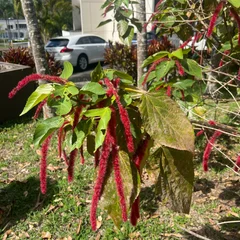
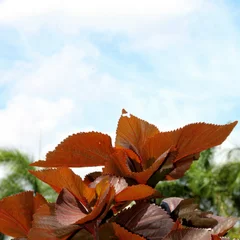
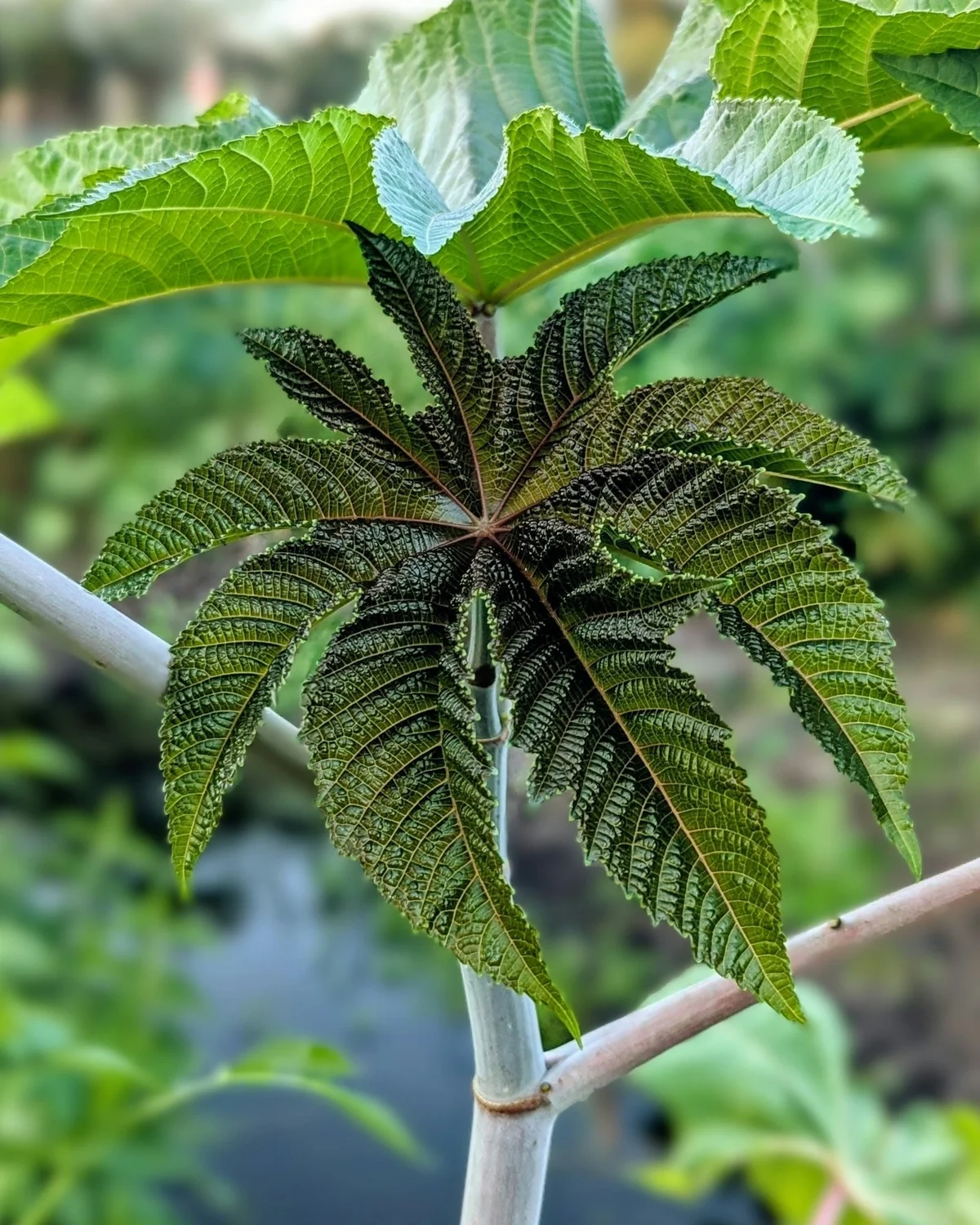
Castor Bean is a plant notable for its large leaves deeply divided into 7-11 palmate lobes. Cultivars in which the leaves and stems take on a purple or reddish hue are common. Round fruits with thorn-like bumps hold brown, speckled seeds (castor beans) inside. Height 3-10 ft (1-3 m).
Deadly — ricin
The seeds and leaves of Castor Bean (Castor Bean) contain ricin, an extremely potent toxin; even a small amount can cause violent vomiting, abdominal pain, and seizures, and can lead to death.
Guide for parents
Castor Bean is a large-leaved plant that grows in gardens and fields, and ricin, extracted from its seeds, is one of the most powerful plant poisons known. The leaves and stems are dangerous too, but the seeds are overwhelmingly more so. If it's growing in your garden, remove it before the seeds drop. If you suspect ingestion, head to a 24-hour animal hospital right away. Ricin poisoning progresses quickly.
If ingested
Contact your nearest vet immediately
- Onset
- 6–24 hours after ingestion (symptoms may be delayed)
- Symptoms
- Vomiting, diarrhea, abdominal pain, seizures
- Action
- Go to a 24-hour animal hospital immediately. Don't wait, even if there are no symptoms.
Details
- Scientific name
- Ricinus communis
- Common name
- Castor Bean
- Family
- Euphorbiaceae
- Toxic parts
- Seeds, Leaves
- Compounds
- Ricin, Ricinine
- Source
- ASPCA