Chives
Allium tuberosum · Amaryllidaceae
How it looks
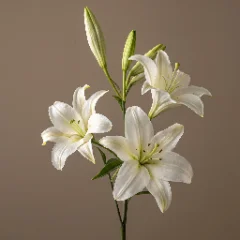
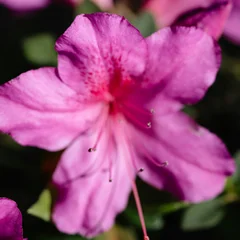
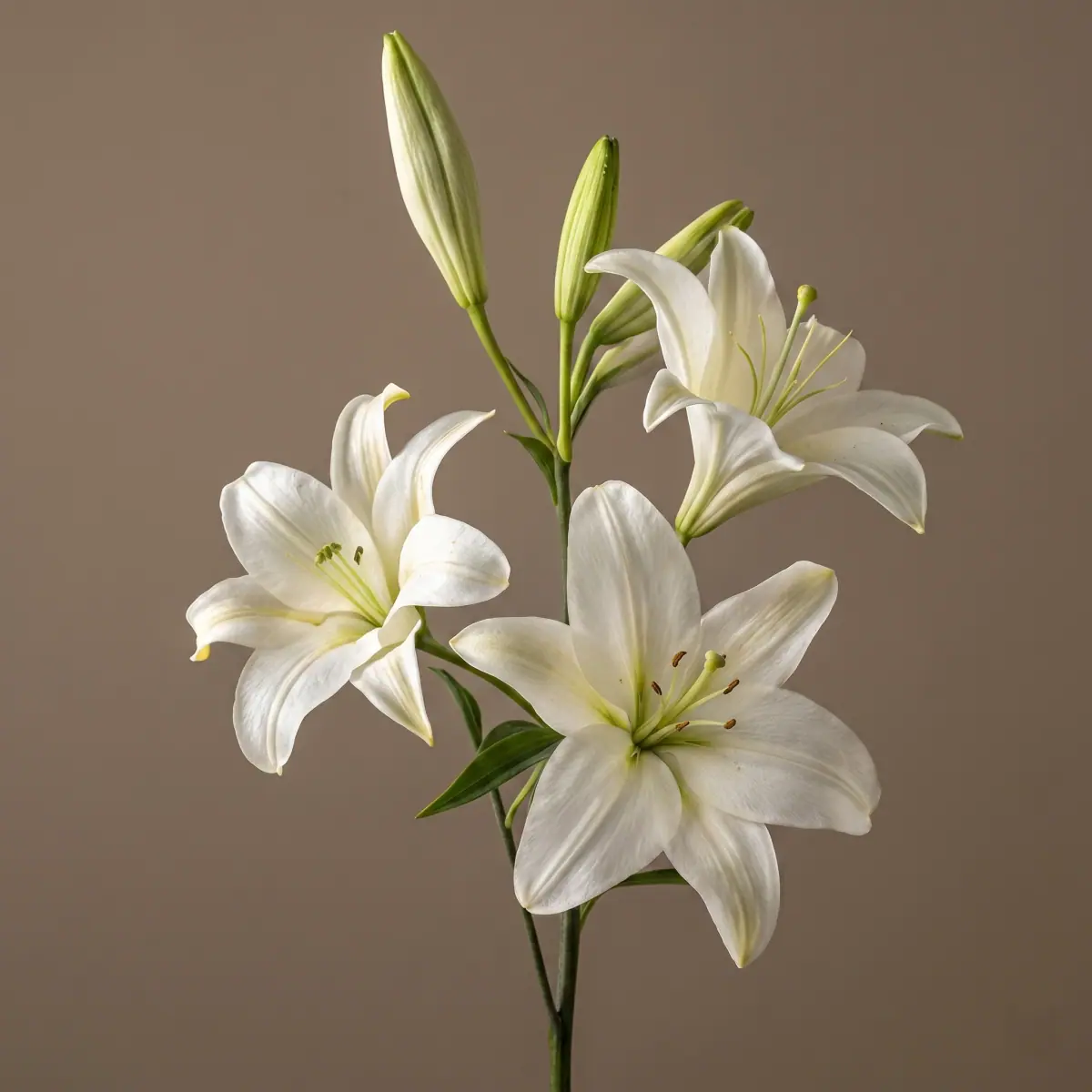
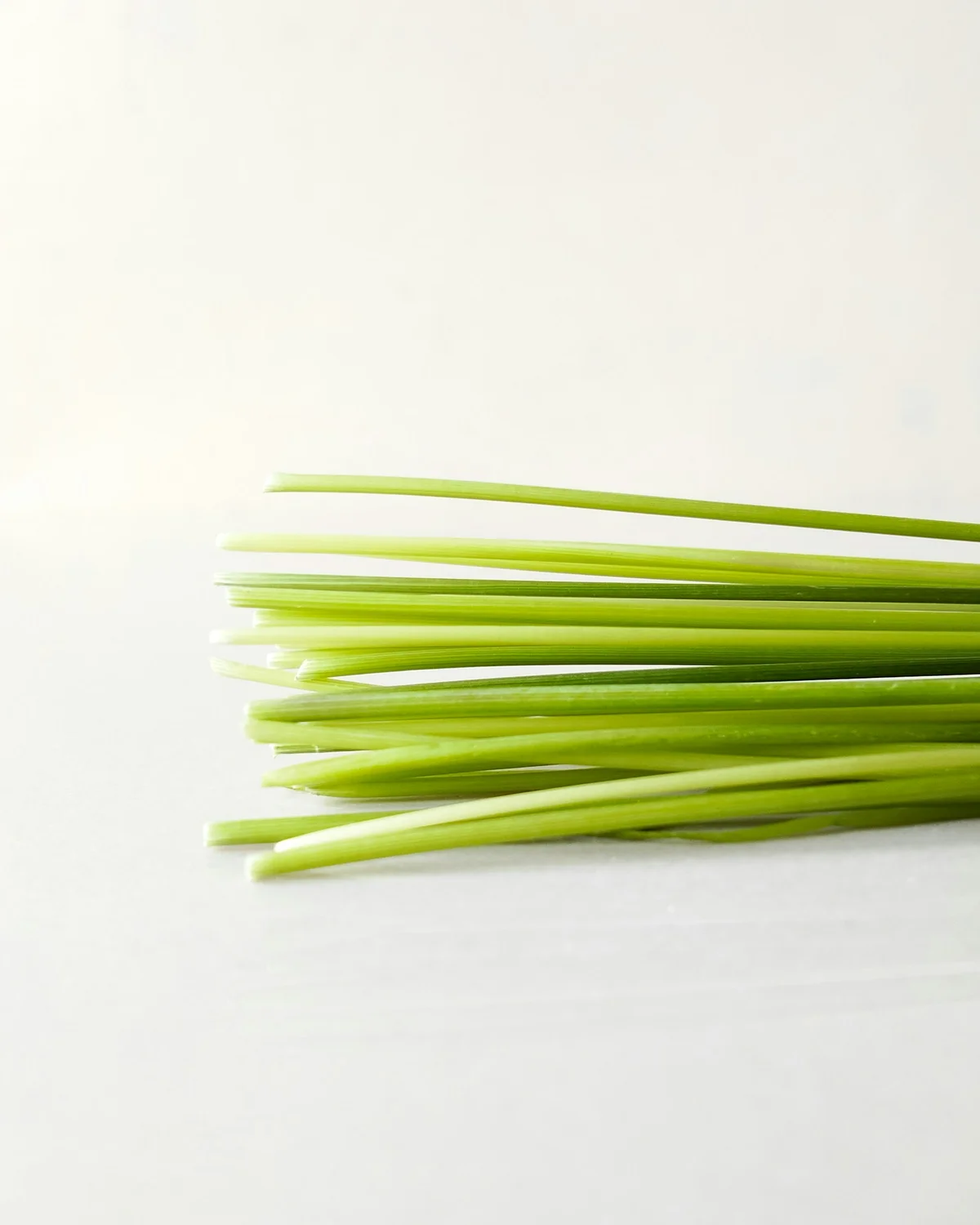
Chives are an herb and vegetable whose hollow, slender, cylindrical leaves grow in clumps from the base. Cutting the leaves releases a pungent onion-or-garlic scent. The flowers are small pink-to-purple blooms gathered into a ball at the tip of the flower stalk.
Caution — monitor for GI symptoms
All parts of Chives contain N-propyl disulfide, which causes oxidative damage to red blood cells (Heinz body anemia). This can lead to bloody urine and a hemolytic crisis, so an immediate vet visit is needed.
Guide for parents
An occasional nibble of Chives usually doesn't lead to anything serious, but the N-propyl disulfide and thiosulfate compounds in it can irritate the stomach and mucous membranes and cause mild gastrointestinal symptoms. Make a habit of clearing away fallen leaves or broken stems the same day, and keep the pot somewhere your cat can't reach. If symptoms last more than 12 hours or your cat's appetite clearly drops, consult your vet.
If ingested
Contact your nearest vet immediately
- Onset
- 1–4 hours after ingestion
- Symptoms
- Vomiting, breakdown of red blood cells, anemia
- Action
- Consult a vet and monitor. Go in immediately if symptoms worsen.
Details
- Scientific name
- Allium tuberosum
- Common name
- Chives
- Family
- Amaryllidaceae
- Toxic parts
- All parts
- Compounds
- N-propyl disulfide, Thiosulfates
- Source
- ASPCA