Chrysanthemum
Chrysanthemum spp. · Asteraceae
How it looks
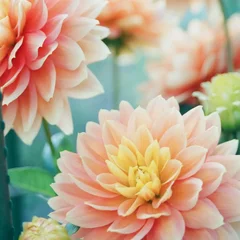
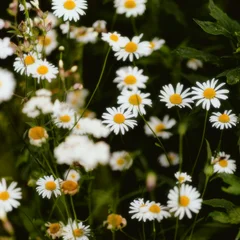
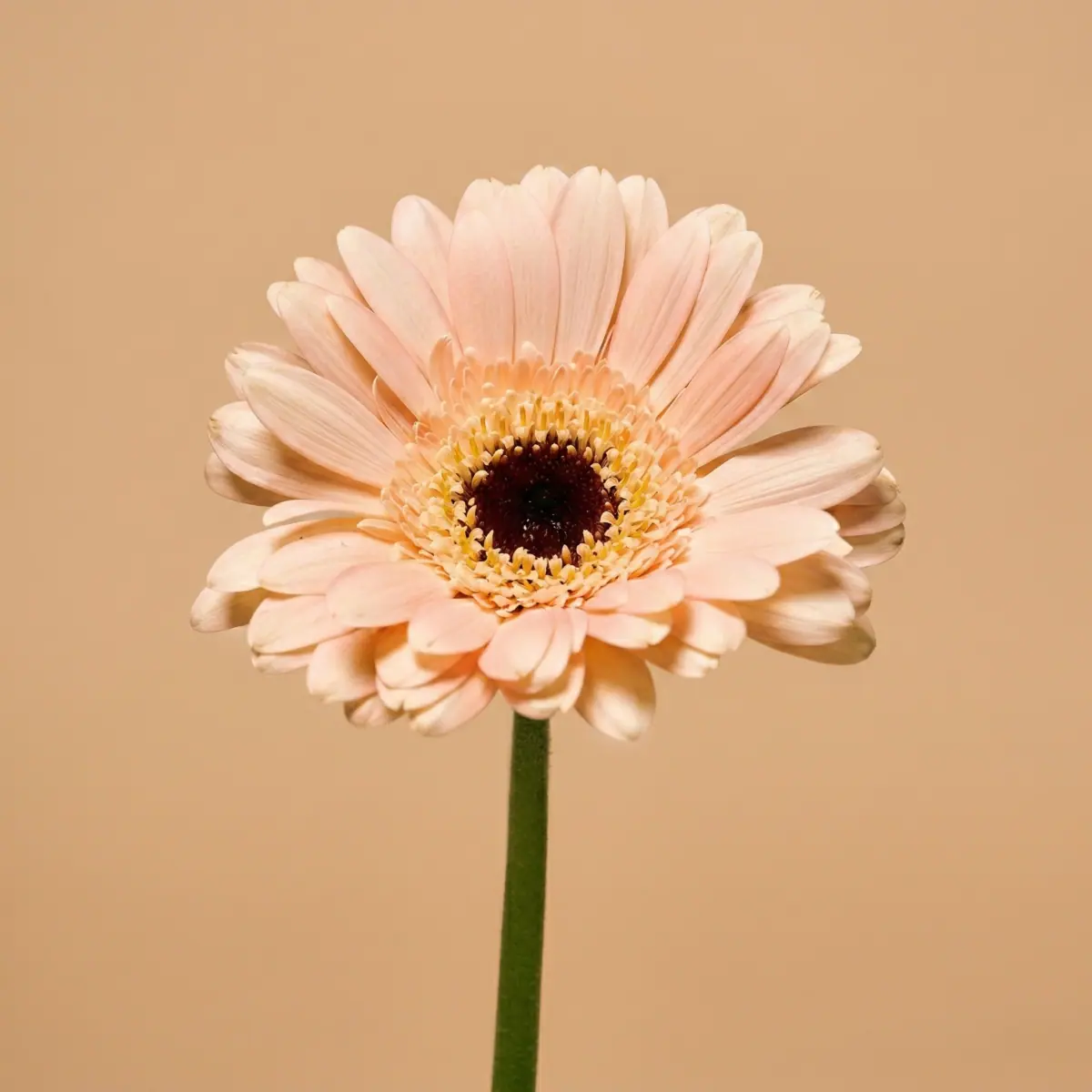
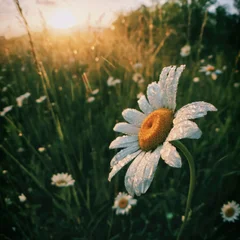
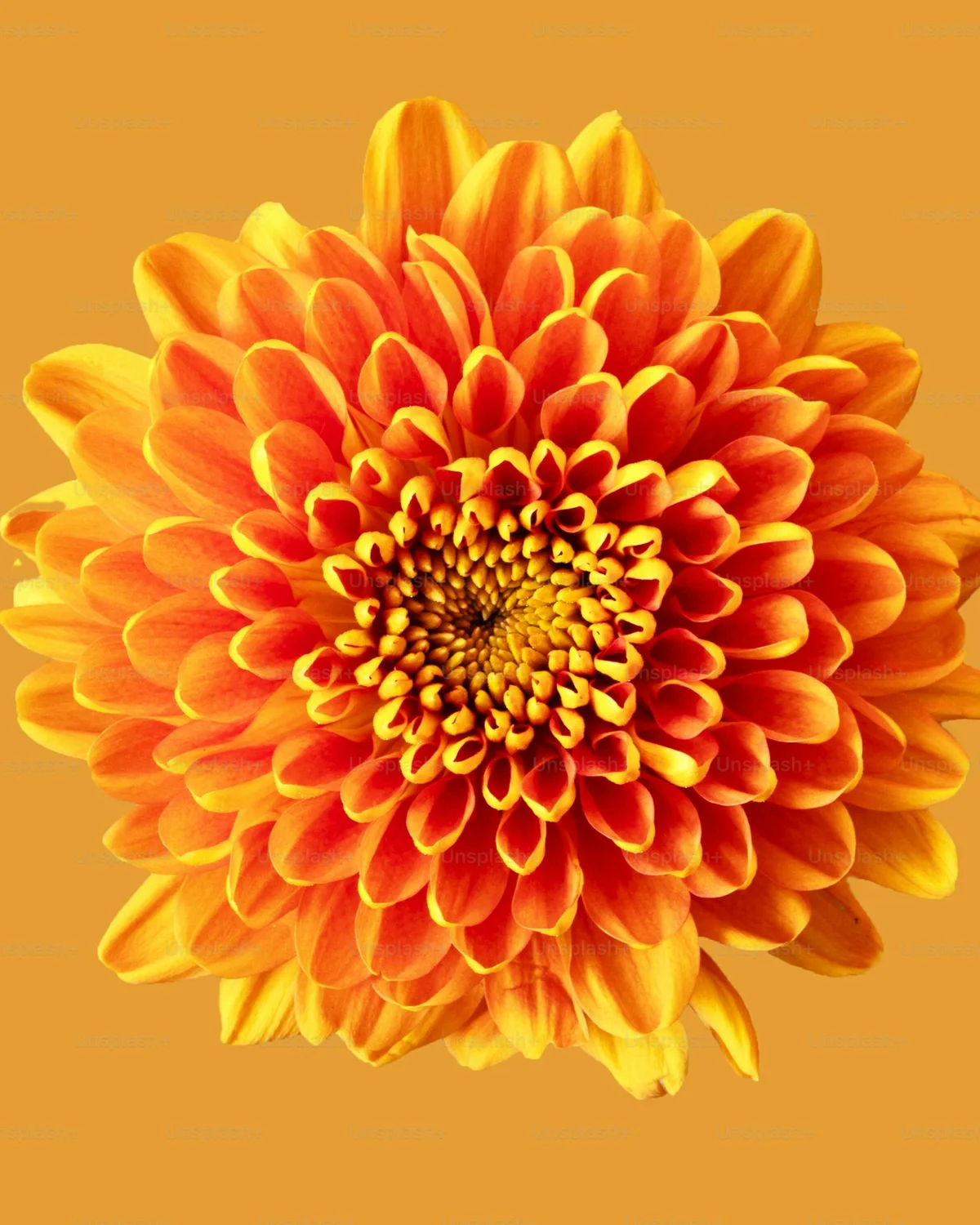
Chrysanthemums bloom in rounded flowers with layers of slender petals surrounding a yellow center. Colors vary widely — yellow, white, pink, purple, red — and the scent is strong. The leaves are deeply lobed and dark green, the plant grows 1–3 feet tall, and it's a signature flower of fall gardens and bouquets.
Caution — pyrethrins
All parts of the chrysanthemum contain pyrethrins, and chewing on it can cause hypersalivation, vomiting, diarrhea, and incoordination. Compared with other cut flowers, symptoms tend to come on quickly.
Guide for parents
Chrysanthemums are one of the most common cut flowers, often arriving in fall bouquets and memorial arrangements. When displaying them in a vase, choose a spot your cat can't reach, and pick up fallen petals right away. If you notice stumbling or excessive drooling, head to the vet. Symptoms can worsen quickly once they begin.
If ingested
Contact your nearest vet immediately
- Onset
- Right after ingestion to within 2 hours
- Symptoms
- Vomiting, diarrhea, hypersalivation, incoordination
- Action
- Rinse the mouth with water and monitor. If symptoms last more than 12 hours, contact your vet.
Details
- Scientific name
- Chrysanthemum spp.
- Common name
- Chrysanthemum
- Family
- Asteraceae
- Toxic parts
- All parts
- Compounds
- Pyrethrins, Sesquiterpene lactones
- Onset
- Right after ingestion to within 2 hours
- Symptoms
- Vomiting, diarrhea, hypersalivation, incoordination
- Action
- Rinse the mouth with water and monitor. If symptoms last more than 12 hours, contact your vet.
- Source
- ASPCA