Dahlia
Dahlia species · Asteraceae
How it looks
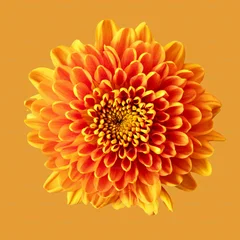
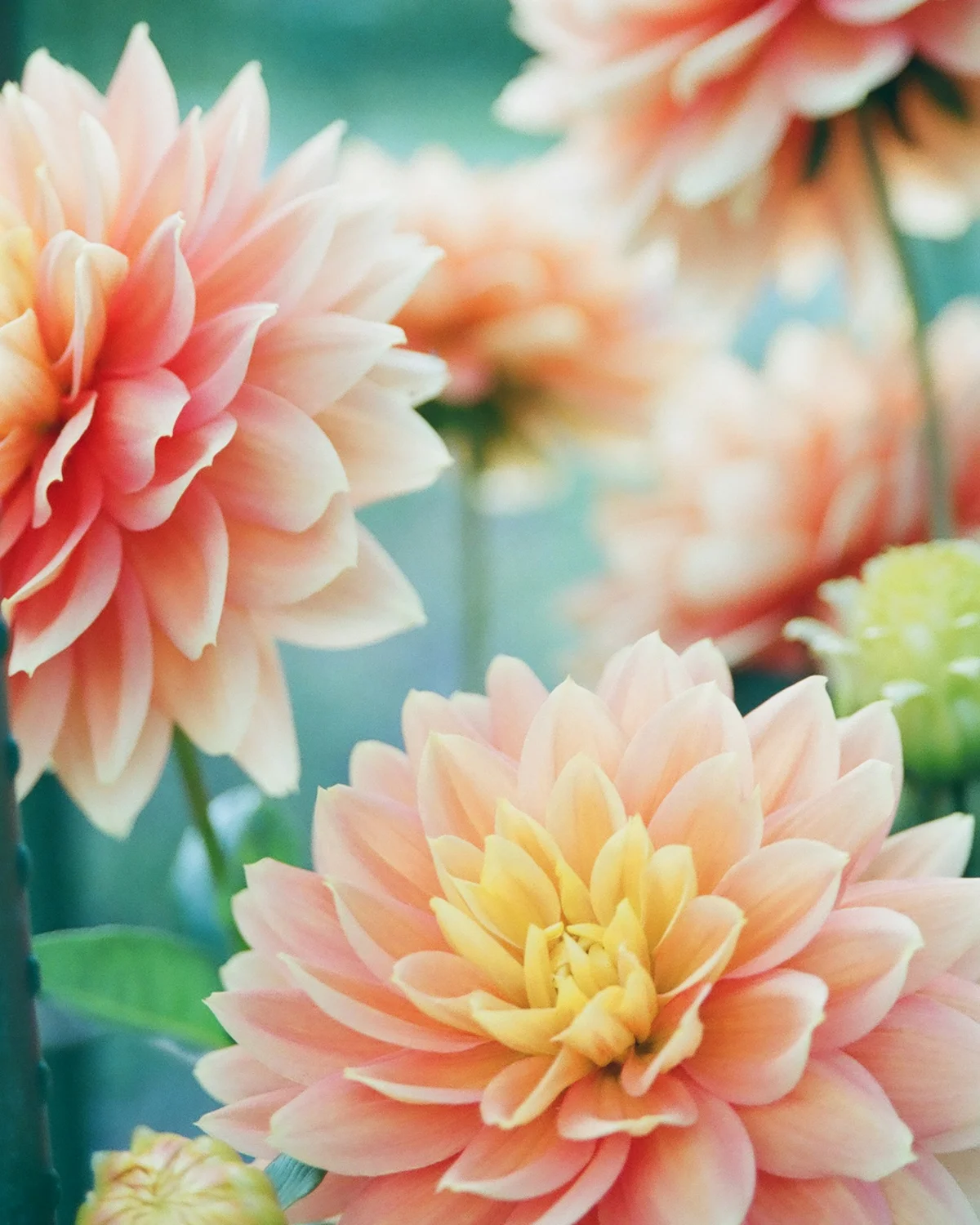
Dahlia produces large flowers with petals packed densely in a round form from the center outward. With great variety in color and form, there are many cultivar types such as pompon and cactus. Flower size 2-12 in (5-30 cm); the leaves are dark green and feather-shaped (divided), and height ranges 12 in-5 ft (30 cm-1.5 m).
Mild caution — GI symptoms and dermatitis
Dahlia is reported to cause only mild vomiting, diarrhea, and skin irritation. The exact toxin hasn't been identified, but as a caution-level plant it still calls for monitoring.
Guide for parents
Dahlia is often seen as a fall cut flower or flowerbed plant. Its large, vividly colored petals catch a cat's curiosity. A chew or two won't lead to anything serious, but if vomiting repeats, you'll need to keep an eye on how things progress. When you put it in a vase, keep it out of reach, and make a habit of clearing fallen petals right away.
If ingested
Contact your nearest vet immediately
- Onset
- Right away to within 2 hours of ingestion
- Symptoms
- Mild gastrointestinal signs, mild dermatitis
- Action
- Rinse the mouth with water and monitor. Consult a vet if symptoms last more than 12 hours.
Details
- Scientific name
- Dahlia species
- Common name
- Dahlia
- Family
- Asteraceae
- Toxic parts
- All parts
- Compounds
- Unknown
- Onset
- Right away to within 2 hours of ingestion
- Symptoms
- Mild gastrointestinal signs, mild dermatitis
- Action
- Rinse the mouth with water and monitor. Consult a vet if symptoms last more than 12 hours.
- Source
- ASPCA