Daisy
Chrysanthemum species · Asteraceae
How it looks
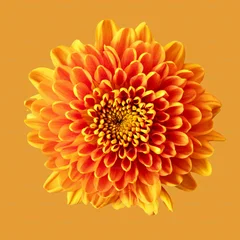
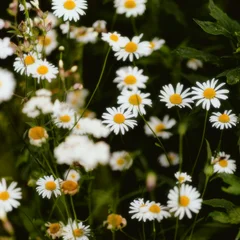
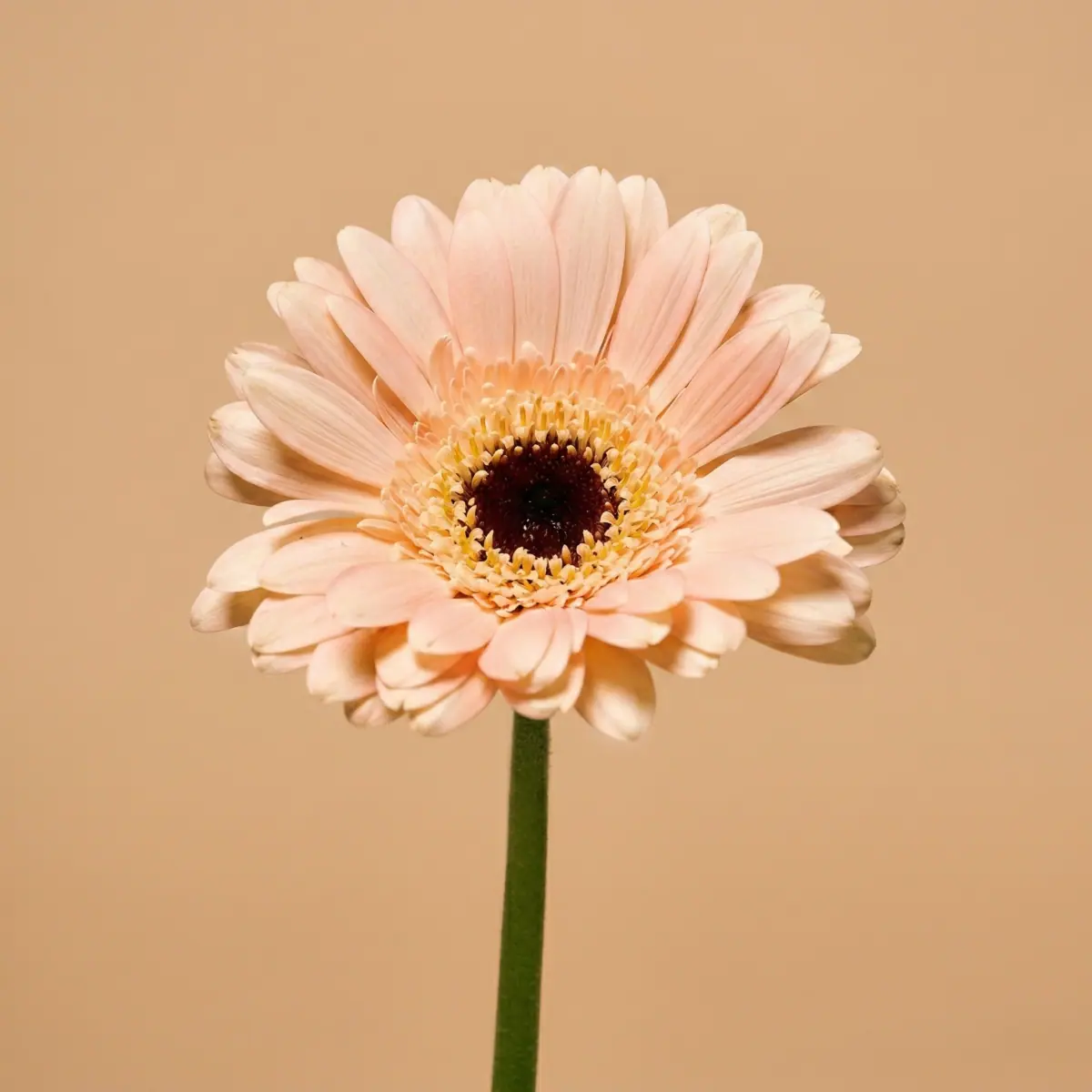
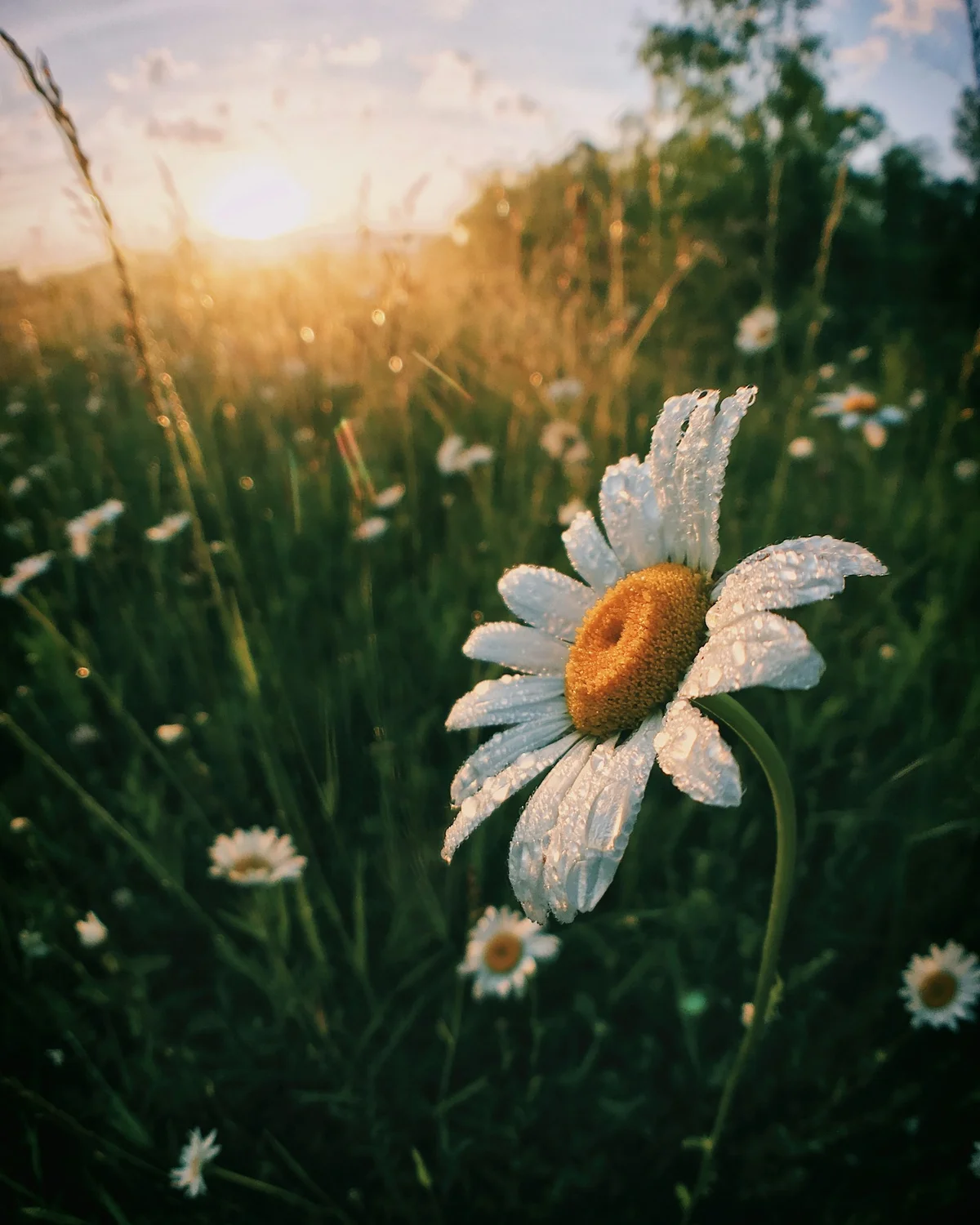
The Daisy is a simple, clean flower consisting of a yellow center and white petals. The flowers are 1-3 in (3-8 cm) in size, borne one per stem. The leaves are elongated and spatula-shaped, growing in a clump from the base. It grows 8-20 in (20-50 cm) tall.
Caution — watch for pyrethrin ingestion
Daisy is in the daisy family and contains pyrethrins and sesquiterpene lactones; chewing can cause drooling, vomiting, and diarrhea. Its risk profile is nearly identical to that of chrysanthemums.
Guide for parents
Daisy comes in many forms, from light wildflower-style cut flowers to potted plants. If your cat drools heavily or looks unsteady after chewing the petals, check for signs of chewed leaves. If symptoms last more than 12 hours, we recommend consulting your vet. Keeping the vase out of your cat's paths is the safest precaution.
If ingested
Contact your nearest vet immediately
- Onset
- Right away to within 2 hours of ingestion
- Symptoms
- Vomiting, diarrhea, drooling
- Action
- Rinse the mouth with water and monitor. Consult a vet if symptoms last more than 12 hours.
Details
- Scientific name
- Chrysanthemum species
- Common name
- Daisy
- Family
- Asteraceae
- Toxic parts
- All parts
- Compounds
- Pyrethrins, Sesquiterpene lactones
- Onset
- Right away to within 2 hours of ingestion
- Symptoms
- Vomiting, diarrhea, drooling
- Action
- Rinse the mouth with water and monitor. Consult a vet if symptoms last more than 12 hours.
- Source
- ASPCA