Rosary Pea
Abrus precatorius · Fabaceae
How it looks
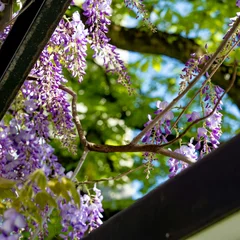
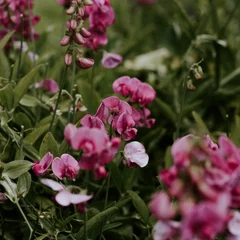
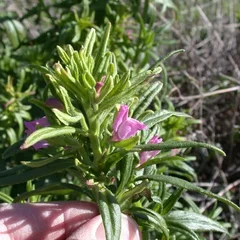
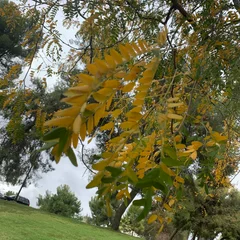
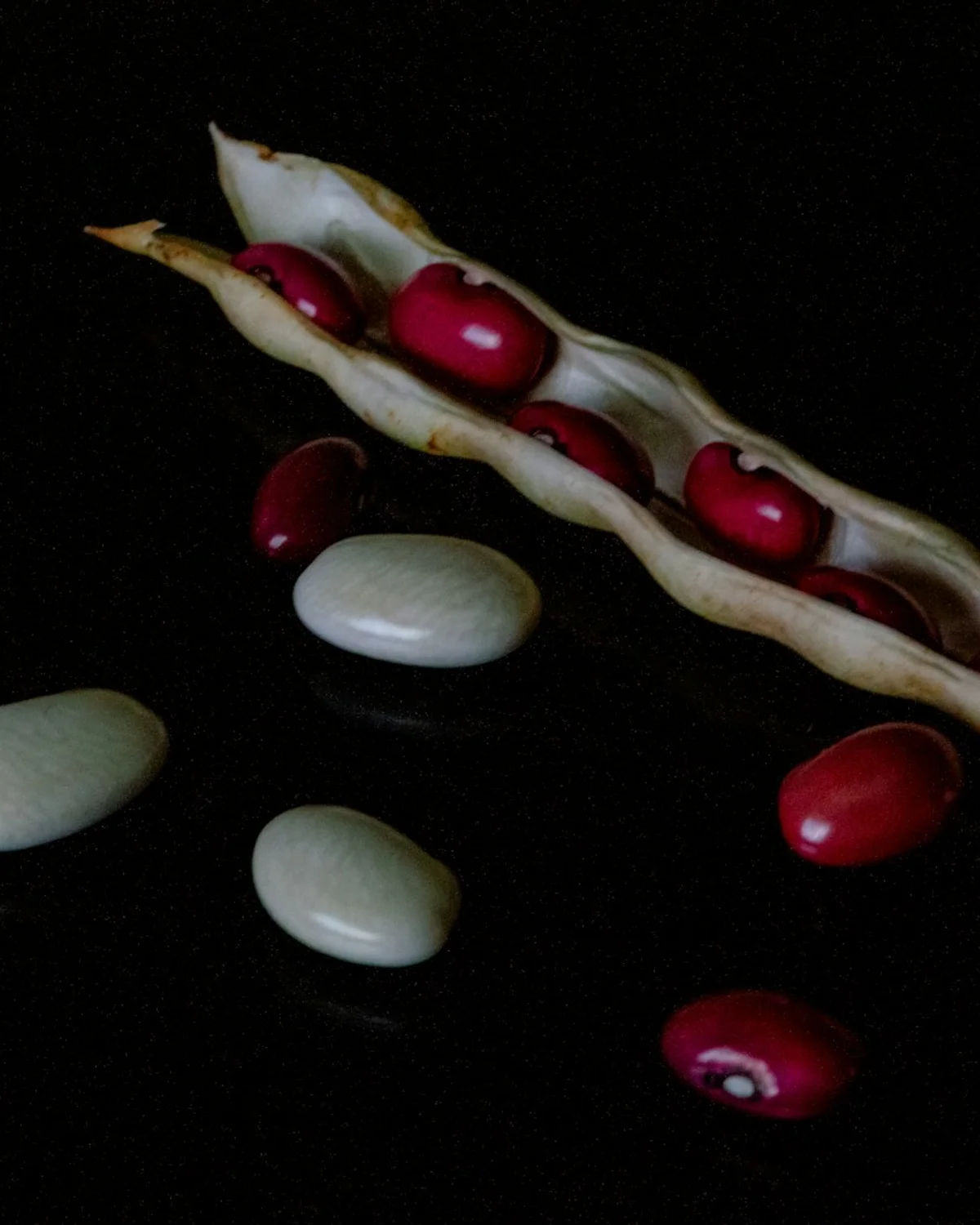
Rosary Pea is a legume that grows as a vine, with small feather-shaped leaves set opposite each other. Its most notable feature is the seeds inside the pod-round, bean-shaped, with the upper one-third black and the lower two-thirds a vivid red. Vine length 10-20 ft (3-6 m).
Dangerous — even a few seeds can be fatal; see a vet immediately
The seeds of Rosary Pea contain abrin, an extremely potent toxin. Even a single seed can be fatal, causing vomiting, diarrhea, seizures, and liver and kidney damage that can end in death.
Guide for parents
An occasional nibble on Rosary Pea rarely leads to serious trouble, but its alkaloids and lectins can irritate the stomach and mucous membranes, causing mild gastrointestinal upset. Make a habit of clearing away fallen leaves and broken stems the same day, and keep the pot somewhere your cat can't reach. If symptoms last more than 12 hours or your cat shows a marked loss of appetite, consult your vet.
If ingested
Contact your nearest vet immediately
- Onset
- Several hours to a day after ingestion (worsens rapidly after a latent period)
- Symptoms
- Vomiting, Diarrhea, Seizures, Liver damage, Kidney damage, Death
- Action
- Go to an animal hospital immediately. A damaged seed coat is fatal. Don't wait.
Details
- Scientific name
- Abrus precatorius
- Common name
- Rosary Pea
- Family
- Fabaceae
- Toxic parts
- Seeds, All parts
- Compounds
- Abrin, Abralin, Lectins
- Source
- ASPCA