Tarragon
Artemisia dracunculus · Asteraceae
How it looks
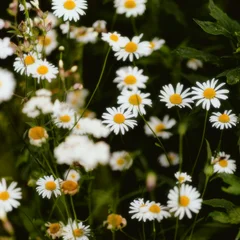
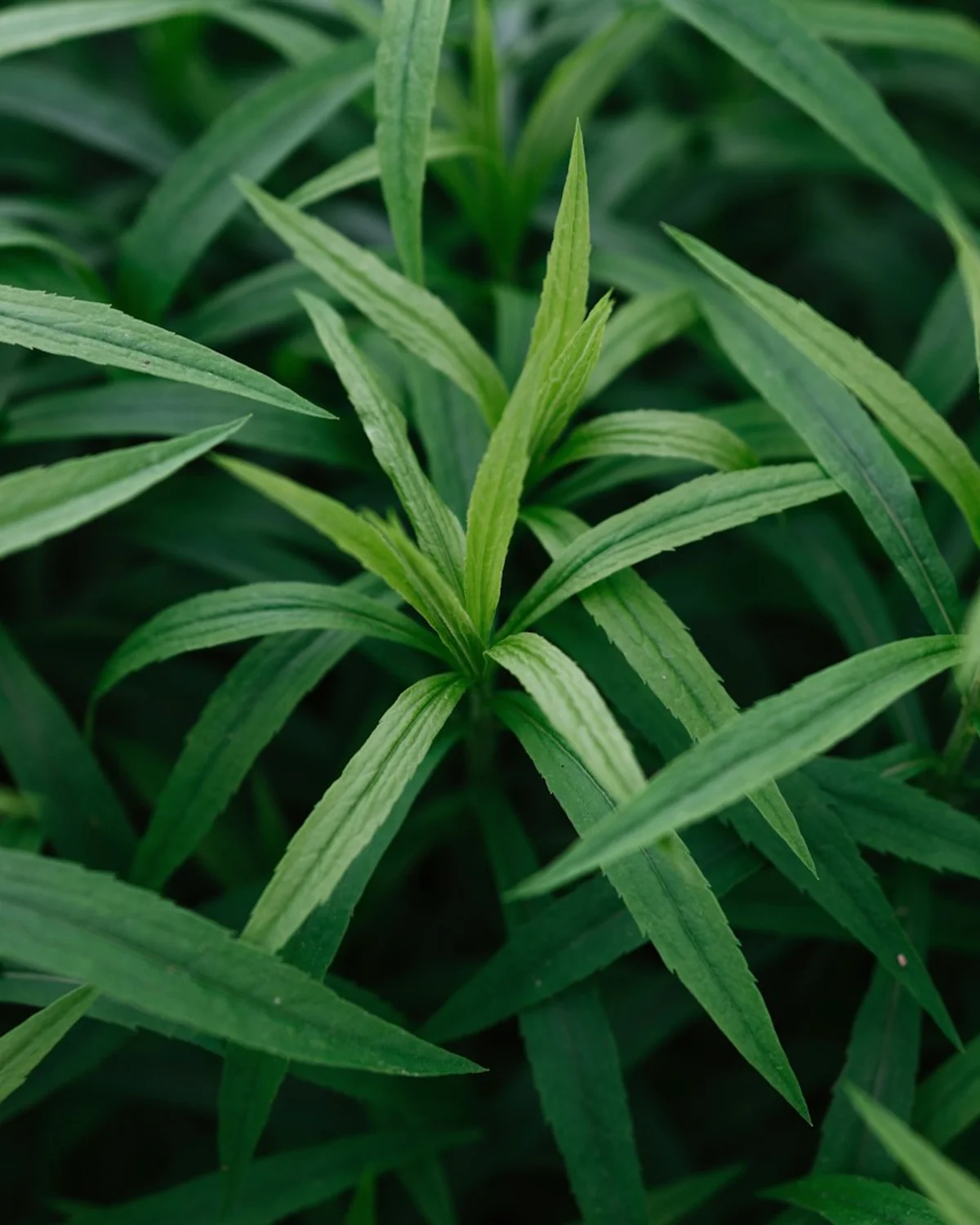
Tarragon is a small plant with narrow, long dark green leaves densely set along the branches. Crushing the leaves releases a soft, anise-like aroma. It grows 1.5–3 ft (50 cm–1 m) tall, and small yellow-green flowers gather at the branch tips.
Safe for cats
Tarragon is listed as non-toxic to cats by the ASPCA. An occasional nibble is unlikely to cause any real trouble.
Guide for parents
An occasional nibble on Tarragon rarely leads to serious trouble, but its sesquiterpene lactones can irritate the stomach and mucous membranes, causing mild gastrointestinal upset. Make a habit of clearing away fallen leaves and broken stems the same day, and keep the pot somewhere your cat can't reach. If symptoms last more than 12 hours or your cat shows a marked loss of appetite, consult your vet.
If ingested
Contact your nearest vet immediately
- Onset
- Right away to within 2 hours of ingestion
- Symptoms
- Vomiting, diarrhea, drooling
- Action
- Rinse the mouth with water and monitor. Consult a vet if symptoms last more than 12 hours.
Details
- Scientific name
- Artemisia dracunculus
- Common name
- Tarragon
- Family
- Asteraceae
- Toxic parts
- All parts
- Compounds
- Essential oils
- Onset
- Right away to within 2 hours of ingestion
- Symptoms
- Vomiting, diarrhea, drooling
- Action
- Rinse the mouth with water and monitor. Consult a vet if symptoms last more than 12 hours.
- Source
- ASPCA