Golden Ragwort
Senecio species · Asteraceae
How it looks
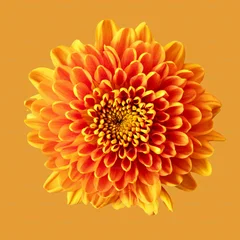
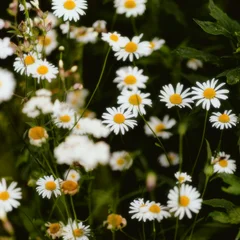
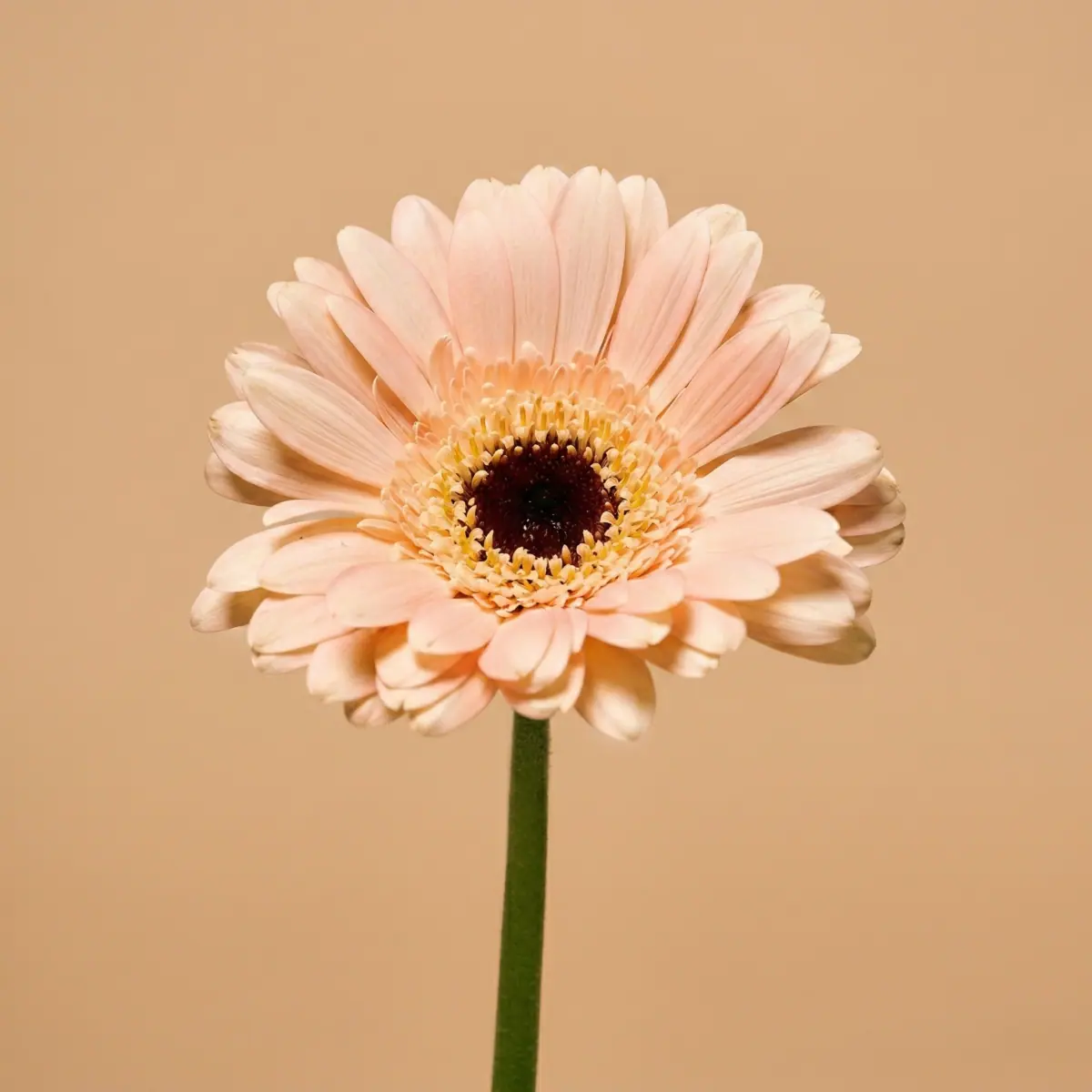
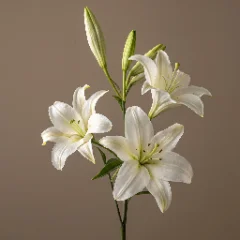
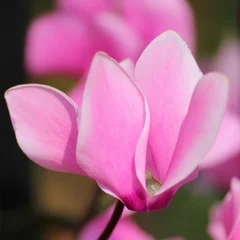
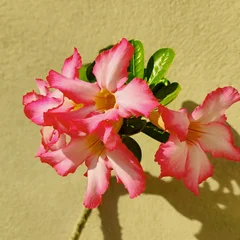
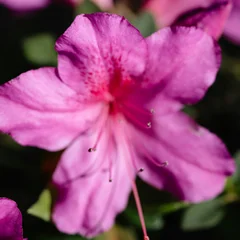
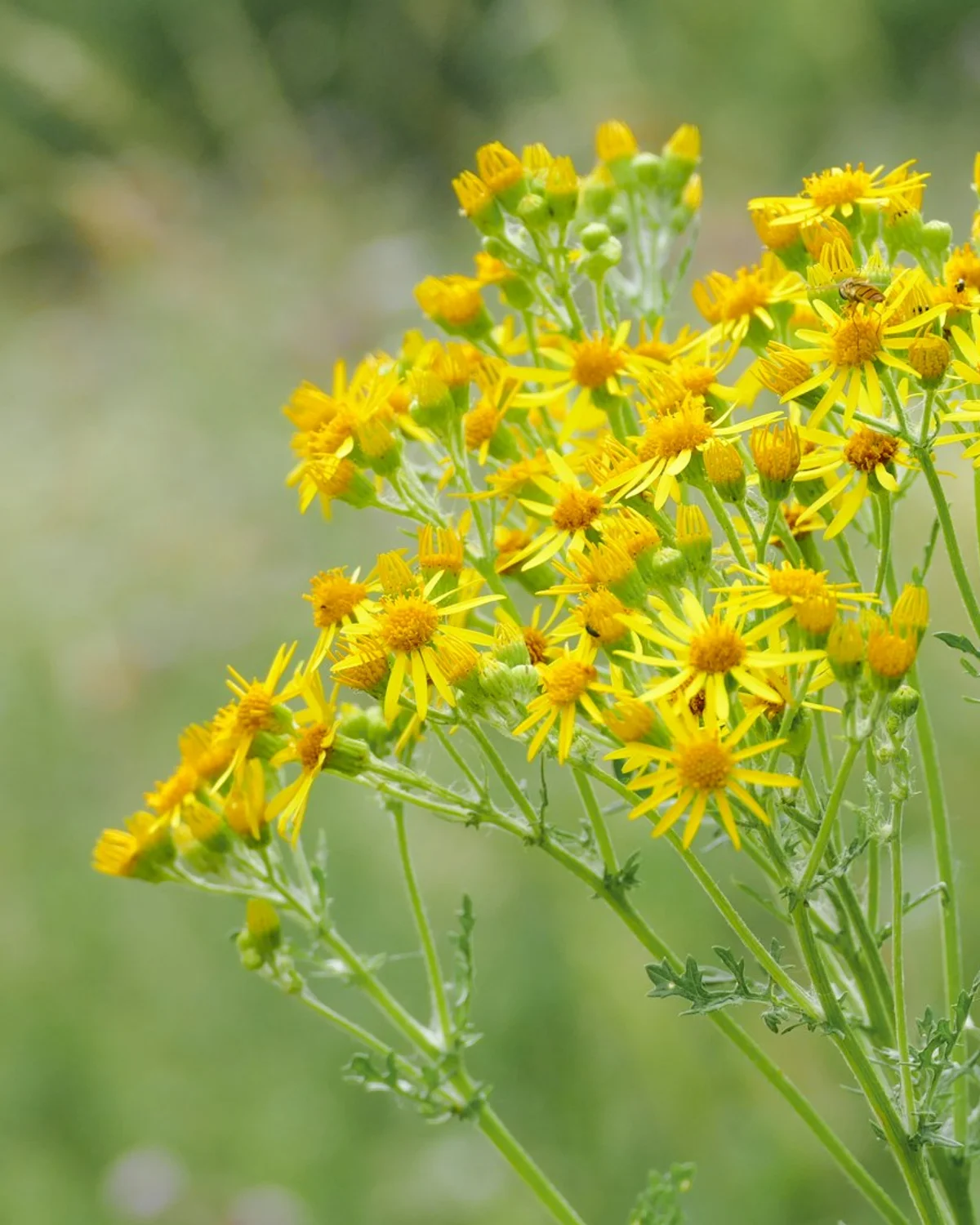
Golden Ragwort (Cineraria) is a plant with toothed, rounded leaves and small yellow daisy-like flowers that gather at the branch tips. It reaches 12-31 in (30-80 cm) tall, is common in the wild and in wetlands, and has deeply toothed, lobed leaves toward the lower part.
Mild caution — stomach irritation
All parts of Golden Ragwort contain pyrrolizidine alkaloids, which are toxic to the liver. Ingestion can cause vomiting, diarrhea, and loss of appetite, and repeated exposure or large amounts can progress to liver failure.
Guide for parents
An occasional nibble on Golden Ragwort rarely leads to serious trouble, but its sesquiterpene lactones and pyrethrins can irritate the stomach and mucous membranes, causing mild gastrointestinal upset. Make a habit of clearing away fallen leaves and broken stems the same day, and keep the pot somewhere your cat can't reach. If symptoms last more than 12 hours or your cat shows a marked loss of appetite, consult your vet.
If ingested
Contact your nearest vet immediately
- Onset
- Right away to within 2 hours of ingestion
- Symptoms
- Vomiting, diarrhea, drooling
- Action
- Rinse the mouth with water and monitor. Consult a vet if symptoms last more than 12 hours.
Details
- Scientific name
- Senecio species
- Common name
- Golden Ragwort
- Family
- Asteraceae
- Toxic parts
- All parts
- Compounds
- Pyrrolizidine alkaloids, Sesquiterpene lactones
- Source
- ASPCA